
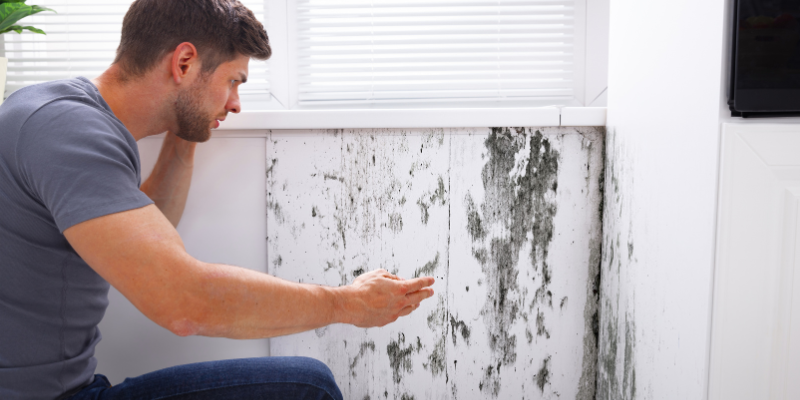
When you sell a house with mold in Florida, the outcome swings hard. Some sellers close on mold-affected homes at close to full asking price. Others watch tens of thousands vanish in negotiations. The mold itself is rarely what separates the two. What matters is whether the seller understands how buyers, inspectors, and lenders put a price on mold risk, and whether the seller got ahead of the conversation instead of reacting to it. Rushing to fix the home first isn’t always the smart move. Florida has no mold-specific disclosure statute, so mold falls under the state’s general real estate disclosure duty, and good-faith disclosure gives an honest seller real room to work with.
Florida Mold Disclosure Laws Every Home Seller Must Know
Under Florida law, you have to disclose known material defects that a buyer can’t readily see. Mold lands squarely in that category. Buyers lean hard on what the seller discloses, because most of them can’t inspect behind a wall before they write an offer. The rule traces back to Johnson v. Davis, a 1985 Florida Supreme Court case that retired “buyer beware” for residential property sales and put the duty to disclose on the seller.
The disclosure list is short. Known mold growth. Past mold remediation. Any moisture problem that caused the growth or could cause it again, including a roof leak or water damage you had repaired years ago. Stay quiet about a material fact like that, and you can face rescission of the sale plus substantial monetary damages. Florida courts don’t treat these cases lightly, and defending one costs real money.
Selling “as-is” doesn’t erase any of this. As-is means you’re not agreeing to make repairs or hand over credits toward remediation. It doesn’t mean you get to stay silent. Put the disclosure in writing, because a written disclosure is what protects you later, and visible water damage can trigger a duty to look further.
Revival Homebuyer provides fast, all-cash offers for homes in any condition, including those with mold or other disclosed defects, helping sellers avoid the delays and uncertainty of traditional listings. We buy as is, so there are no repairs needed, just a simple, transparent sale and a quick closing process.
How to Identify Mold Problems in Your Florida Home Before Listing
A mold inspection in Florida usually costs $300 to $800. South Florida quotes climb higher and can reach $1,000. Square footage, property age, and the type of testing all move the number. Adding air quality testing typically costs another $250 to $350, and more if the testing is extensive. That add-on matters. An air test catches mold growth a visual inspection misses, and you’d rather find it than have a buyer’s inspector find it.
Florida licenses this work. Once the affected area is larger than 10 square feet, state law puts the work in the hands of a licensed mold assessor or a licensed mold remediator, and those are two separate licenses. The split exists to protect the property owner. An assessor who also sells remediation has an obvious reason to find more mold than your home actually has. Florida closes that door by barring a licensee or their company from remediating a structure they assessed within the previous 12 months, and the reverse.
Before any of that, walk your own house. Look around windows, under bathroom sinks, near the water heater, and anywhere you’ve leaked, including old roof leaks and past flood damage. Our humidity does the rest. Older concrete block homes with original windows are especially prone to moisture intrusion, and once mold spores reach the HVAC system, they travel everywhere. Mold remediation inside an HVAC system commonly costs $3,000 to $10,000, which is why a small bathroom problem sometimes turns into a much larger estimate.
How Mold Affects Home Value and Appraisal in Florida

Mold isn’t only a buyer’s problem. It reaches the lender, the appraiser, and eventually the property’s price on the contract. Severity drives the value hit. So does location in the home, and whether the mold is active or already remediated.
Visible, active mold almost always pulls market value down. Buyers add up repair costs, worry about their family’s health, and assume there’s more wrong than they can see. A small patch in a guest bath can trigger an outsized price cut if someone starts imagining what’s behind the drywall. Perceived risk usually outruns the actual remediation estimate. Florida cash buyers react differently. We price the remediation, not the fear, and we take properties as-is even when the mold is significant.
Appraisers don’t work from a standard mold deduction. They look at comparable sales, and when nearby homes sold with the same condition problems, that discount shows up in the appraised value. If the mold is bad enough to jeopardize financing, the appraisal usually reflects it and the buyer reopens the sale price.
Remediated mold gets treated far better and protects most of your value, especially when you can document clearance testing and prove the moisture source was corrected. Most lenders and appraisers will call the issue closed at that point, though a modest discount can linger in a competitive market. The ugliest price swings happen when mold surfaces mid-escrow. That’s when a buyer who already feels blindsided asks for a concession much bigger than the repair actually costs.
Should You Remove Mold Before Selling or Sell As-is in Florida
Most Florida mold remediation jobs cost between $1,500 and $6,000, which works out to roughly $10 to $30 per square foot of affected area. Severity and access drive the cost. A crawlspace job, or an older home with moisture behind finished walls, runs higher than an open wall. Weigh that estimate against your home’s market value and what you realistically expect at closing, because remediation only pays off when it raises the sale price by more than it costs.
Sometimes it doesn’t pay. A family that inherited a Winter Haven home with extensive bathroom mold chose to sell it as-is rather than manage contractors from three hours away. They weren’t chasing the last dollar. They wanted it behind them, and selling directly got them there.
Timing, buyer type, and market conditions matter to a mold sale just as much as the estimate. After Helene and Milton hit in 2024, good remediation crews got booked solid and costs climbed with demand. Investors like as-is properties because renovation is the business they’re in. Traditional shoppers want to move in and unpack. And the work carries costs that never show up on a contractor’s invoice, like a rental somewhere else and a storage unit for your furniture.
Steps to Sell Your Florida Home with Confidence After Mold Discovery
Finding mold doesn’t have to blow up your closing date. The seller’s first move matters more than the mold does. Stop the water so the growth doesn’t spread, then slow down before you sign anything expensive. That pause can be worth thousands, especially if you’re weighing a listing on the property against an offer from a cash-for-houses company in Riverview or another Florida city.
Get quotes from more than one licensed mold remediation company and compare scope, timeline, and price line by line. The cheapest bid often skips containment, and sellers find that out later. Selling the property as-is to a cash buyer or an investor is the other path. We recently bought a Lakeland rental with mold in one bedroom and handled every bit of the remediation after closing. That’s usually what a seller wants when they’d rather not front repair money or wait on a crew.
Say it out loud, early in the selling process. A buyer who hears about the mold from you tends to keep going. A buyer who hears about it from their inspector starts wondering what else you didn’t disclose. Disclosing it yourself keeps the sale moving and keeps trust intact, and honest mold disclosure heads off arguments after the sale closes.
Whether you remediate or sell the house as-is, document all of it. Inspection reports, dated photos of the mold damage, remediation estimates, invoices, and your emails with contractors. That documentation protects you legally, and it also backs up the value you’re asking for when a buyer pushes. Good records give you something to point at instead of something to argue about.
What Does Mold Remediation Cost in Florida, and Is It Required Before Selling
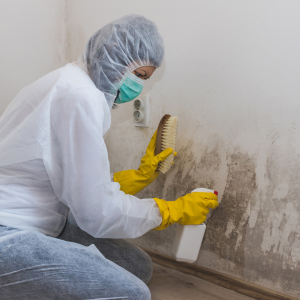
No Florida law requires you to remediate mold before selling. The obligation is disclosure, not repair. You can sell a property with active mold, provided you disclose honestly what you know, and that honesty is what keeps you out of a post-sale legal dispute. If writing a check for remediation isn’t realistic, investor home buyers in Clearwater and other nearby cities will take the property as-is.
Nationally, mold remediation costs about $1,200 to $3,750, with an average near $2,400. Florida sits in that same neighborhood, though our humidity, our storm damage, and how long the moisture went unaddressed can push a job well past the average.
Prices aren’t uniform from market to market. Tampa Bay generally runs $1,500 to $6,000. Orlando quotes swing much wider, anywhere from $500 to $15,000 depending on the job. South Florida costs more, around $3,000 to $10,000 and up, because labor is expensive there and storm damage keeps remediation crews busy.
Complicated jobs get expensive fast. Toxic black mold typically adds 15% to 25% to the cost because of stricter containment, negative air setups, and specialized disposal. Remediating an entire home commonly costs $10,000 to $30,000, and at that point selling as-is starts making more sense than writing the check. Don’t count on insurance to close the gap either. Most Florida policies cover mold damage only when it follows a sudden covered event like a burst pipe, and mold sublimits commonly cap out between $1,000 and $10,000.
How to Properly Disclose Mold Issues to Potential Buyers
A price reduction stings. A lawsuit costs more and lasts longer. Early disclosure also keeps buyers at the table more often than sellers expect, because what makes people walk is usually the surprise, not the mold. How you handle mold disclosure decides whether this becomes a legal problem or one more item you negotiate.
Disclose the old mold problem and the remediation even when the work went perfectly. Buyers find evidence of past remediation more often than not, and new drywall in one corner of a garage raises questions all by itself. If they discover it and you never disclosed it, they’ll assume you were hiding something. Disclosing it upfront is what protects you from a fraud or misrepresentation claim later.
Your documentation is the real defense. Hold onto invoices, clearance test results, inspection reports, and every record from the licensed professionals who did the remediation. That paper trail shows the mold was handled correctly by people qualified to handle it.
Detail and timing count as much as candor, and most sellers get this backwards. Disclose before an inspection turns it up, not after, and be specific about what was done, when, and who did it. Cover the moisture source too, not just the mold, since buyers want to know the cause is fixed. Hand over the reports and your remediation documents when you have them, and negotiations tend to move quicker.
What Happens If You Don’t Disclose Mold When Selling Your House in Florida
A Pinellas County seller decided a little bathroom mold wasn’t worth disclosing. The buyers pulled the shower tile after closing, found extensive mold behind it, and sued for fraud. A cosmetic-looking spot became a five-figure legal problem. That’s the pattern in older homes here. Small spot, big repair, and a home that sold for less than it should have.
Buyers who find undisclosed mold in Florida can sue the seller for fraud, misrepresentation, or breach of contract. They can also seek rescission, which unwinds the sale and puts the property back in your name. These cases drag on, and your legal costs pile up whether you win or lose.
Liability turns on what you knew, or what you should have known. Willful ignorance is a weak defense, particularly when there were obvious signs like water damage or a leak you never fixed. Your agent’s ignorance won’t save you either, because the disclosure duty belongs to the seller. Documentation and the property’s inspection history usually decide these cases.
If you’re dealing with a property like this, contact us for a fast, all-cash offer, and we can help you sell quickly without the risk or stress of potential legal complications.
How Real Estate Agents and Attorneys Help with Mold Disclosure Cases

Picture yourself at the kitchen table with a disclosure form, trying to word that spot you noticed behind the water heater last winter. That’s where sellers get into trouble, usually by understating something out of nerves. A Florida real estate attorney can review your disclosure, your inspection reports, and your supporting documents before you sign.
Your agent probably knows the disclosure form well. Mold, though, carries legal exposure that runs past what an agent is licensed to advise on. An attorney can help you describe the mold you know about, what mold remediation was done, when it happened, and who performed it. Getting the wording right the first time costs far less than explaining it to a judge.
Ask an attorney before you write anything on the form if you aren’t sure what a “known defect” includes. Bring your remediation documents and your contractor correspondence and let a lawyer build the disclosure strategy with you. Between our climate and our case law, mold questions in Florida get complicated quickly, and an hour of legal advice is cheap insurance.
Tax Implications of Selling a Mold-Damaged Home in Florida
Taxes depend on what the house was to you. Primary residence, rental, and investment property all get taxed differently. If the home was your main residence, you may still exclude up to $250,000 of gain, or $500,000 filing jointly. You need to have owned it and lived in it for at least two of the five years before the sale. Mold doesn’t affect whether you qualify. Mold damage can lower your sale price, though, which changes your taxable gain indirectly.
Money you spend on remediation before selling may or may not help you at tax time. Major remediation that restores the home or adds value usually counts as a capital improvement, so it goes into your cost basis and can reduce capital gains taxes later. Smaller routine repairs on a personal residence generally aren’t deductible at all.
Rentals and investment properties follow different rules. Repairs that return the property to its prior condition are typically deductible in the year you pay for them, while bigger improvements get depreciated over time. Selling at a loss carries its own treatment depending on how the asset is classified. Run your selling numbers past a CPA, since none of this is one-size-fits-all, and we buy houses, we don’t give tax advice.
Frequently Asked Questions
Do You Have to Disclose Mold When Selling a House in Florida?
Yes. Florida law requires you to disclose known material defects that aren’t readily observable, and mold qualifies. There’s no mold-specific disclosure statute on the books, but Johnson v. Davis established the duty and courts apply it to mold cases regularly. Skip the disclosure, and you’re exposed to fraud claims and possible rescission of the sale.
How Hard Is It to Sell a House with Mold?
It’s harder, but sellers do it every week. Mold shrinks your buyer pool to investors and buyers willing to take on the remediation themselves. With typical Florida remediation costs running $1,500 to $6,000, plenty of sellers do better selling as-is to cash buyers than paying for the work first. Price the home honestly, disclose the mold fully, and the sale usually comes together.
How Long Can Someone Live in a House with Black Mold?
That depends on how severe the mold growth is and how your family reacts to it. Temporary relocation is often recommended during extensive remediation, especially with kids, older adults, or anyone with asthma or another respiratory condition. Mold affects indoor air quality and can bring on headaches, allergy symptoms, and breathing trouble. Talk to a doctor if you’re having symptoms, and plan on staying somewhere else while the remediation happens.
If you’re dealing with mold in your Florida home and feeling overwhelmed by the options, Revival Homebuyer is here to help you think through the decision. Whether remediation makes sense or selling as-is works better depends on your specific situation, timeline, and financial goals. If you want to talk through your options, we’re here. No pressure, no obligation. Reach out to us at (813) 548-3674 to discuss your situation and explore your options.
Helpful Florida Blog Articles
- How Long Does It Take to Force a Sale of Property in Florida
- Selling A House That Needs Repairs in Florida
- Can You Sell A House With A Mortgage In Florida
- How To Sell Your House Rent-to-Own In Florida
- Selling A House With Delinquent Property Taxes In Florida
- How To Stop Foreclosure in Florida
- How Much Do Realtors Charge to Sell a House in Florida
- Can I Sell My Parents’ House With Power Of Attorney?
- What Do I Have to Disclose When Selling a House?
- How to Sell a House with Mold in Florida
- Can Someone Sell My House Without Me Knowing in Florida
- Can a Seller Refuse Repairs After Inspection
- Selling Jointly Owned Property During Divorce
- Selling a House in a Trust After Death in Florida
- Selling A Home For A Loss In Florida