![Selling A House That Needs Repairs [market_city]](https://image-cdn.carrot.com/eyJidWNrZXQiOiJwcm9kdWN0aW9uLmNhcnJvdC11cGxvYWRzLm9uY2Fycm90LmNvbSIsImtleSI6InVwbG9hZHMvc2l0ZXMvNDE2NDUvMjAyNi8wNC9TZWxsaW5nLUEtSG91c2UtVGhhdC1OZWVkcy1SZXBhaXJzLnBuZyIsImVkaXRzIjp7InJlc2l6ZSI6eyJ3aWR0aCI6MTE1Mn0sInRvRm9ybWF0Ijoid2VicCIsIndlYnAiOnsicXVhbGl0eSI6NzB9fX0=)

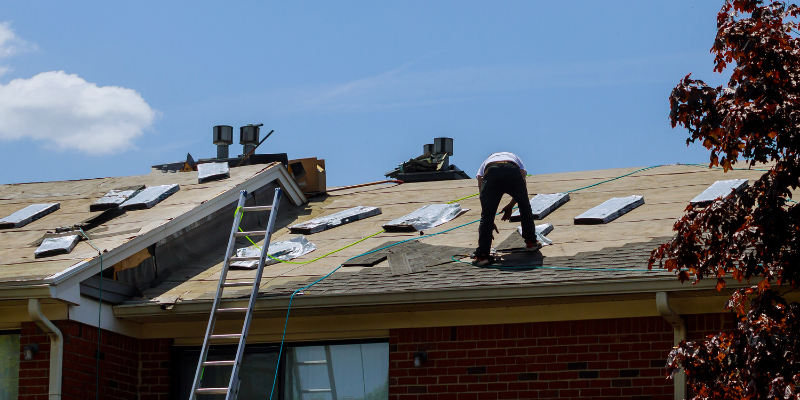
You don’t need a perfect house to sell in Florida. People buy fixer-uppers and properties with decades of deferred maintenance every single day in this state. The market is quite active, and cash is actually flowing.
But of course, you need a clear picture of what you’re working with and a plan that actually makes sense for your situation. Some repairs are worth fixing before you list, while there are also ones that will eat your profit and buy you nothing.
This guide covers the most common repairs Florida sellers face and the actual costs. We’ll also talk about how to sell your house that needs repairs in Florida in a way that works for you.
Types of Repairs Florida Sellers Face
Florida is genuinely hard on houses. There’s the heat, the humidity, the storm seasons, and the salt air that create specific problems that come up time and time again when sellers get ready to list.
Here’s what shows up most.
Foundation Issues and Structural Damage
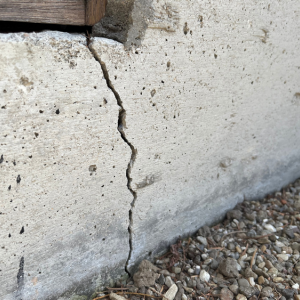
Foundation damage is one of the most expensive problems a Florida home can have. The sandy, shifting soil across much of the state puts constant pressure on a home’s base over the years. In Central Florida, sinkholes are also a documented risk.
The signs are hard to miss once you know what you’re looking for:
- doors that drag or won’t close
- diagonal cracks running from the window corners
- floors that slope or feel uneven are all worth taking seriously
Repair costs vary widely. Minor stabilization work might run a few thousand dollars. Serious structural issues can quickly push past $20,000.
Most conventional lenders won’t approve financing for a home with unresolved foundation problems. That alone shrinks your buyer pool dramatically, which is why many sellers in this situation end up going the as-is route.
Roof Damage and Aging Shingles
Florida has some of the toughest roofing standards in the country and the climate is the reason. The intense UV exposure and heavy seasonal rain wear a roof down faster here than almost anywhere else.
The average Florida roof lasts 15 to 20 years. Sometimes less.
An aging roof creates two immediate problems. Buyers get cautious. And insurers get selective. Many Florida insurance companies refuse to write new policies for homes with roofs older than a certain age. This rules out a large chunk of financed buyers before negotiations even begin.
Full roof replacements in Florida typically range from $10,000 to $25,000, depending on the home’s size and roofing material. If yours is in rough shape, every serious buyer will bring it up.
Plumbing and Electrical Problems
Homes built before the 1980s in Florida often have plumbing and electrical systems that were never touched after installation.
Galvanized steel pipes corrode from the inside out. Polybutylene pipes, common in homes built between the 1970s and 1990s, are prone to cracking and failure.
On the electrical side, aluminum wiring and older panel brands like Federal Pacific and Zinsco are known fire hazards. Insurance companies frequently decline to cover homes with these systems, which creates the same financing problem as a bad roof.
A standard home inspection reliably catches both. Once flagged, they become negotiating tools and usually not in your favor.
Water Damage and Mold
Water gets into Florida homes constantly. It comes in through storm damage, roof leaks, plumbing failures, and poor drainage. When moisture sits long enough, mold follows.
Remediation costs depend on how far things have spread. A small, contained area might cost a few hundred dollars. Mold that has worked into walls, subfloors, or the HVAC system can cost tens of thousands to fully clear.
Florida law requires sellers to disclose known mold issues. It is not something you can quietly leave for the next owner to find.
Hurricane and Wind Damage
Storm damage is a Florida-specific reality that sellers elsewhere rarely have to think about. Winds from tropical storms and hurricanes affect roofs, windows, siding, and structural framing. Damage from a storm that seemed minor at the time can sit undetected for years until a home inspection surfaces it.
Buyers in Florida increasingly expect impact-resistant windows, storm shutters, and reinforced garage doors. Some insurers require them outright.
Unrepaired storm damage is one of the fastest ways to lose a buyer mid-contract.
HVAC System Failures
Air conditioning in Florida is not optional. It is a basic need, and buyers treat it exactly that way.
Florida AC units run almost year-round, which shortens their lifespan compared to units in cooler states. A system older than 10 to 12 years is already working on borrowed time.
Full HVAC replacement costs between $5,000 and $12,000. Buyers will ask for a credit, a price reduction, or a new unit before closing. Sometimes all three.
Pest and Termite Damage
Termites are active year-round in Florida. Subterranean termites in particular do serious structural damage before any visible signs show up. By the time hollow-sounding wood, mud tubes, or sagging floors appear, the infestation has typically been going on for a long time.
As we’ve mentioned, Florida requires sellers to disclose known termite damage and treatment history. Buyers almost always order a separate WDO inspection, so existing damage will surface regardless of what you say or don’t say.
Repair costs depend on how far the damage has reached. Long-term termite activity that hits structural components is expensive to fix and nearly impossible to conceal.
Should You Fix the Home or Sell It As-Is?
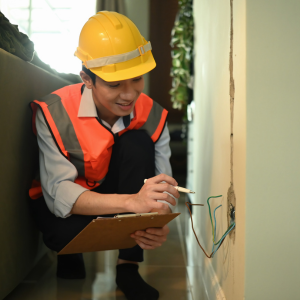
Fixing everything before you sell is not always the best move. Many Florida sellers who go that route end up wishing they hadn’t.
Some fixes make sense, like fresh paint, clean landscaping, and working fixtures. They change how a buyer feels about a home the second they walk in. They’re also super cheap and easy to do. You can even DIY if you have the time.
The big-ticket jobs are the ones that get sellers in trouble. These are things like replacing a roof, repairing a foundation, or rewiring an older home. They can cost $10,000 to $30,000 or more. That kind of spending doesn’t automatically push your sale price up by the same amount.
Here are the factors that should shape your decision:
- Your timeline. If you need to sell fast due to financial pressure or a job move, spending several months managing contractors is unrealistic.
- The type of damage. Cosmetic issues are worth addressing. Major structural or system failures are a conversation entirely different.
- Your budget. If covering repairs means taking on debt or draining savings, the calculation rarely works in your favor after everything is said and done.
- Your local market. In a hot seller’s market, buyers are more willing to overlook flaws. In a slower market, repairs can help your home stand out.
If your home has major structural or system issues, selling as-is is often the most practical option—especially if you want to sell your house fast in Tampa. It can speed up the closing process and still put real cash in your pocket.
Costs of Repairs
Repairs in Florida cost more than most sellers expect. You need to know those numbers before you decide on anything, which is one of the most useful things you can do.
Labor costs run higher here than in many other states. Building codes are stricter, and contractor demand stays high because of storm activity. Material costs in coastal and hurricane-prone areas tend to reflect all of that.
The table below covers the most common repairs Florida sellers deal with. These are general ranges. Your actual costs will shift depending on your home’s size, the extent of the damage, the county you’re in, and who you hire.
| Repair Type | Estimated Cost Range |
| Foundation stabilization (minor) | $3,000 to $8,000 |
| Foundation repair (major/sinkhole) | $10,000 to $30,000+ |
| Roof replacement (asphalt shingles) | $10,000 to $20,000 |
| Roof replacement (metal) | $18,000 to $35,000 |
| Plumbing repiping (full home) | $4,000 to $15,000 |
| Electrical panel replacement | $1,500 to $4,000 |
| Full rewiring (older home) | $8,000 to $20,000 |
| Mold remediation (minor) | $500 to $3,000 |
| Mold remediation (major) | $10,000 to $30,000 |
| HVAC replacement | $5,000 to $12,000 |
| Termite treatment | $500 to $2,500 |
| Termite structural repair | $2,000 to $15,000 |
| Hurricane window replacement | $8,000 to $20,000 |
| Interior cosmetic updates | $1,000 to $10,000 |
Always get at least two or three quotes from licensed Florida contractors before committing to anything. Prices usually vary, and some repairs that sound catastrophic turn out to be far more manageable once a professional actually looks at them.
One more thing worth knowing. Cash buyers will typically bring their own repair estimates when they make an offer. Having your own numbers already in hand gives you a solid foundation to stand on if an offer comes in lower than expected due to inflated repair assumptions.
Does Making Repairs Make It More Profitable?
Making repairs before selling your home is not always profitable. Surprising, right?
Small cosmetic updates are often worth it. A fresh coat of paint or a cleaned-up yard costs very little and changes how a buyer feels about a home the second they pull up.
On the other hand, spending $20,000 on a kitchen remodel doesn’t mean your sale price goes up by the same amount. You’ll come out behind when you add contractor delays and months of holding costs on top of that.
The repairs most worth making are those that remove deal-breakers quickly. A broken AC in Florida will end a deal before the second showing. Foundational damage, a failing roof, and ancient plumbing are a different situation.
Trying to fix all of that before listing usually costs more than it returns. Selling as-is in that case tends to put more money in your pocket.
Selling in a Seller’s Market vs. a Buyer’s Market
The market you’re selling in directly affects how much leverage you have, so it’s worth knowing which one you’re in before committing to anything.
In a seller’s market, inventory is low, and buyers are competing for available homes. They’re more willing to overlook an aging roof or a dated kitchen because their options are limited. A home that needs work can still pull solid offers.
A buyer’s market changes that completely. Buyers have more choices, so they get pickier. Homes that need repairs sit longer and draw lower offers.
Cash buyers are worth knowing about because they remain active regardless of market conditions. They don’t need financing or appraisals to close fast. This makes them a reliable option for a home that needs significant work.
Before you list, check recent sales in your specific zip code. Florida markets vary dramatically from one neighborhood to the next. Broad data won’t tell you what’s actually happening on your street.
Your Options for Selling a Home in Need of Repairs in Florida
There is no single right way to sell a house that needs work, and that’s actually good news.
List It As-Is on the Open Market
Listing as-is means putting the home up for sale in its current condition without making any repairs first.
Investors, flippers, and handy buyers actively look for these listings, so the demand is real. The tradeoff is a smaller buyer pool and lower offers, but you also spend nothing getting the home ready.
Pros
- No repair costs before listing.
- Faster path to getting the home on the market.
- Attracts investors and cash buyers actively looking for deals.
Cons
- Offers tend to come in lower than market value.
- Financing can fall through if the home has major issues.
Make Strategic Repairs and List at Full Price
This option works best when the repairs are minor, and your local market is strong.
You’re not renovating the entire home; you’re addressing the specific issues that could kill a deal or scare buyers off during inspection. Done right, it can meaningfully increase your final sale price. Done wrong, it drains your cash and delays your closing.
Pros
- Opens the door to financed buyers and a wider market.
- It can increase your final sale price significantly.
Cons
- Upfront repair costs with no guaranteed return.
- Contractor timelines can push your listing date back.
Sell Your House to a Cash Buyer
This is the fastest and most straightforward option for a home that needs significant work.
Cash buyers purchase homes as-is, eliminating the need for financing and allowing for a fast closing—sometimes in as little as two weeks. While their offers are typically below full market value, the savings on repairs, agent commissions, and holding costs can significantly reduce the difference. We buy houses in Florida and make the process simple, quick, and hassle-free.
Pros
- Closes fast with no repairs or showings required.
- No risk of financing falling through at the last minute.
Cons
- Sale price will be below full market value.
- Less time to shop around if top dollar is the priority.
How to Sell a House That Needs Repairs in Florida
Step 1: Assess the Property’s Condition Honestly
Walk through the home as a buyer would, not as someone who’s lived there for years.
Write down everything that’s visibly off, from peeling paint to anything that looks structurally concerning. If you want a more objective read, hire a licensed inspector before you list, so nothing catches you off guard later.
Step 2: Get Repair Estimates from Local Contractors
Get quotes from at least 2 or 3 licensed Florida contractors for the larger items on your list.
This matters even if you plan to sell as-is. If you know your actual numbers, you have something to stand on when buyers come in with offers built on inflated repair assumptions.
Step 3: Decide on Your Selling Strategy
With your home’s condition and repair costs in hand, you can make an informed decision about which path makes the most sense.
If repairs cost more than they’d return, selling as-is is probably your answer. If the home needs only minor work and the market is active, fixing it up and listing it might net you more.
Step 4: Price the Home to Reflect Its Condition
Overpricing a home with known issues is one of the most common mistakes sellers make.
It sits on the market, and buyers get suspicious. The offers get lower over time. Price it honestly from the start and you’ll attract serious buyers a lot faster.
Step 5: Market to the Right Buyers
A home that needs repairs should be marketed differently from a move-in-ready property.
Lead with transparency and focus on the opportunity the home represents. Cash buyers, investors, and flippers are actively searching for exactly what you have. Reaching them directly can move things along quickly.
Step 6: Review Offers Carefully
When offers come in, look beyond the number.
A cash offer that closes in two weeks with no contingencies can be worth more in real terms than a higher financed offer that takes two months and might not survive the appraisal. Factor in your timeline and what each offer nets you after everything is accounted for.
Step 7: Handle Disclosures and Close
Florida requires sellers to disclose known defects that materially affect the value of the property. This applies even to as-is sales.
Be upfront and document everything in writing. Also, work with a title company or real estate attorney familiar with as-is transactions in Florida. Once that’s squared away, you’re on your way to closing.
What to Expect When Selling As-Is in Florida
Selling as-is in Florida is a fairly straightforward process once you know what you’re getting into.
As-is does not mean you’re hiding anything. Florida law still requires you to disclose known defects that materially affect the property’s value. What it does mean is that after inspection, the buyer can’t come back and hand you a repair list. They knew what they were getting into.
Most as-is sales use a specific contract that gives buyers an inspection period, typically seven to ten-day inspection period to walk away if they want. After that window closes, they’re in.
The timeline moves fast, especially with a cash buyer. This is because there are no loan approvals or appraisal holdups. There are also no repair negotiations. Some sellers go from accepted offer to closed sale in under two weeks. Understanding what do I have to disclose when selling a house becomes especially important in a fast-moving cash transaction, as the compressed timeline leaves little room to address undisclosed conditions that surface after the deal is already in motion.
Sell Your House to Cash Buyers in Florida

Cash buyers actively look for homes that need work, and Florida has a lot of them.
They’re not scared off by a bad roof or a foundation issue. That’s actually what they’re shopping for. They buy the home and handle the repairs themselves. They take on all the risk that comes with it. For a seller, that’s a genuinely good deal.
The process is simple. You get an offer, you review it, and if it works for you, you close. No showings or open houses.
Ask for proof of funds before anything else. A legitimate cash buyer won’t hesitate.
Frequently Asked Questions
Can I sell a house that needs repairs in Florida without fixing anything?
Yes, you can sell a house that needs repairs in Florida without fixing anything. Cash buyers and investors specifically look for these properties and as-is listings are common across the state. You just need to disclose what you know and let the right buyer take it from there.
What repairs are required by law before selling a home in Florida?
No repairs are legally required before selling a home in Florida. What the law does require is full disclosure of any known defects that materially affect the property’s value. Selling as-is is completely legal as long as you’re upfront about what you know.
How do I find cash buyers for a house that needs work in Florida?
You can find cash buyers for a house that needs work in Florida through a quick online search, local real estate investment groups, or by reaching out directly to home-buying companies in your area. Always ask for proof of funds before moving forward with anyone.
Will I get a fair price for my house if I sell it as-is in Florida?
Yes, you can get a fair price for your house when selling it as-is in Florida, though the offer will naturally be below full market value. Once you factor in what you’re saving on repairs, commissions, and holding costs, most sellers find the number is more reasonable than they expected.
How long does it take to sell a house that needs repairs in Florida?
The timeline for selling a house that needs repairs in Florida depends on your strategy. A cash sale can close in as little as two weeks, while a traditional listing with repairs completed first can take several months from start to finish.
Do I still need to disclose defects on an as-is sale in Florida?
Yes, you still need to disclose defects even on an as-is sale in Florida. As-is means the buyer accepts the home’s condition, not that you’re exempt from disclosure. Florida law requires sellers to disclose any known issues that materially affect the property’s value, regardless of how the home is being sold.
Key Takeaways: Selling a House That Needs Repairs in Florida
Selling a house that needs repairs in Florida is not the obstacle most people think it is. The state has an active market and cash buyers are everywhere. As-is sales also close every day. What matters most is knowing your numbers and making a decision that actually works for your situation rather than one that just sounds good on paper. If you’d rather skip the repairs and move on, Revival Homebuyer buys homes as-is across Florida with no fuss and no delays. Call us at (813) 548-3674 and let’s figure out what your home is worth.
Helpful Florida Blog Articles
- How to Sell a House While Relocating in Florida
- How to Sell My House to a Developer in Florida
- Is It Possible to Change Homeowners Insurance After Closing in Florida
- Can I Sell Half of My House in Florida Real Estate
- Sell My Florida Home with a HELOC
- Can Medical Bills Take Your Home in Florida
- Selling a House Without a Realtor in Florida
- Divorce Home Appraisal in Florida
- Does A Seller Pay Closing Costs in Florida
- How to Sell an Investment Property in Florida
- Can You Evict a Tenant If You Sell Your House in Florida?
- How to Choose a Title Company in Florida
- Documents Required for Selling Inherited Property in Florida
- Can I Sell My House If I Filed for Chapter 13 in Florida?
- Average Time for a House to Sell in Florida