![How Much Does Realtor Charge to Sell Your House In [market_city]](https://image-cdn.carrot.com/eyJidWNrZXQiOiJwcm9kdWN0aW9uLmNhcnJvdC11cGxvYWRzLm9uY2Fycm90LmNvbSIsImtleSI6InVwbG9hZHMvc2l0ZXMvNDE2NDUvMjAyNi8wNi9Ib3ctTXVjaC1Eb2VzLVJlYWx0b3ItQ2hhcmdlLXRvLVNlbGwtWW91ci1Ib3VzZS5wbmciLCJlZGl0cyI6eyJyZXNpemUiOnsid2lkdGgiOjExNTJ9LCJ0b0Zvcm1hdCI6IndlYnAiLCJ3ZWJwIjp7InF1YWxpdHkiOjcwfX19)

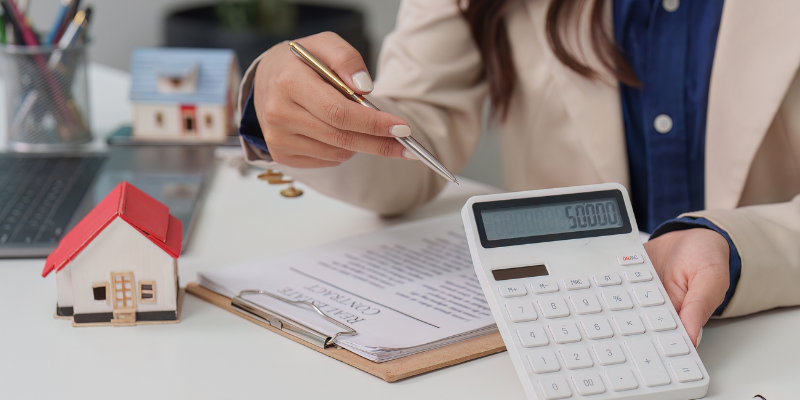
You’re selling a home in Orlando, and your agent says they’ll take six percent of the sale price. On a $400,000 home, that’s $24,000 in commission gone at closing. Sellers went along with that number for decades, and few ever asked how much realtors charge to sell a house in Florida. Then the ground shifted in August 2024, when the practice rules from the National Association of Realtors antitrust settlement took effect. Sellers got options they’d never had. We’ve bought hundreds of homes across Florida, so we’ve watched this commission system work from every angle. Those old fixed expectations aren’t set in stone anymore. Working out what the new rules mean for your bottom line takes more homework than it used to.
What Are Realtor Fees and How Do They Work in Florida?
People call real estate commission a tax on selling your house, and the math backs up the grumbling. A Florida seller usually pays a 5.57% commission. That splits into a 2.75% fee to the listing agent and a 2.82% fee to the buyer’s agent, according to Clever Real Estate’s February 2026 survey. Those agent fees come straight out of your closing proceeds. Decades of habit built this commission structure, and it held up even as new selling options arrived.
Most agents still quote a total commission of 5% to 6%. Florida sits a little under the national average of 5.70%, which sounds like a win until you run the numbers on a real sale. That’s often $20,000 or more in agent commission walking out the door. The state’s median single-family price hit $425,000 in May 2026, according to Florida Realtors, so a typical sale sends roughly $23,700 to the two agents. Almost nothing else on a seller’s closing statement comes close.
So what does that commission actually pay for? On the seller’s side, the fee covers pricing it right, photography, MLS exposure, showings, and the negotiating once offers land. A strong agent earns every dollar. A weak one collects the same for a sign in the yard. Because the fee tracks the sale price, an agent’s paycheck grows with the market whether the work does or not.
Your listing agent doesn’t pocket the full commission. They split their share with their brokerage, sometimes 50/50, sometimes 80/20 once they’ve built a track record. The buyer’s agent fee gets divided the same way. Some homeowners skip the whole setup, sell direct, and keep that equity instead. That’s a big reason sellers keep looking at other listing options.
Revival Homebuyer offers cash purchase options that allow homeowners to sell directly without paying traditional agent commissions. This can provide a faster closing and a more predictable net payout by eliminating most listing and buyer-side fees.
Who Pays Real Estate Commission Under Florida’s New Rules?
Buyer representation changed first. A real estate agent who uses an MLS now has to get a signed written agreement from a buyer before touring a home. That agreement has to state the agent’s compensation in plain numbers. No vague language, no open-ended promise. It also has to say outright that broker fees and commissions are fully negotiable.
The second change was quieter and matters more. Offers of compensation came off MLS platforms altogether, so commission no longer gets divided between the two agents by default. Buyer’s agents negotiate their fee with the buyers they represent.
That means the buyer’s agent fee stopped being automatically the seller’s problem. A buyer can pay the fee. A seller can cover part of it as a term of the offer. Both sides can shape it around what the transaction needs.
Plenty of sellers offer concessions to stay competitive. Others push for a lower listing commission or a sharper asking price instead. Pay only your listing agent, and your total cost can land near 2.5% to 3%, depending on how you set up the sale.
How the New Commission Rules Affect Home Buyers and Sellers in Florida
Florida’s statewide single-family median finished 2025 at $413,990, and prices have edged up since. At that price, real estate commission takes a real bite out of what a seller pockets. Sellers need to map out closing costs before the sign goes in the yard. Guessing at your net proceeds is how people get blindsided at closing.
Sellers have more say in setting commission now. Listing agent fees in Florida run from roughly 1% at discount brokerages up to 3% at full-service ones. A seller can negotiate the rate, hire a discount broker, call Florida cash buyers, or go direct. Many sellers still cover part of the buyer’s agent commission to pull in stronger offers or speed up a slow sale.
A buyer can still push back. Asking a seller to cover part or all of that commission during the offer process works often enough, and sellers who want to stay competitive tend to agree. Open pricing has buyers and sellers comparing agents and negotiating fees. More control for everybody, more homework too.
Run the numbers before you list. Take the likely sale price, subtract your agent’s commission, subtract any buyer’s agent fee you plan to cover, then take out taxes, title, and repairs. What’s left is your real proceeds. Sellers who do that math early negotiate better.
Will Real Estate Commission Rates Drop After the New Regulations?
Everyone expected realtor commissions to crater. They didn’t. Redfin transaction data shows the average buyer’s agent fee dipped to 2.36% in the third quarter of 2024, then drifted back up to about 2.42% a year later. A Federal Reserve paper released in May 2025 concluded that the new policies might not have a material effect on rates, with buy-side commissions still sitting at relatively high levels. Habit is stubborn. A 2024 Clever Real Estate survey found 67% of the general public backed the changes, and the appetite for lower agent fees hasn’t faded.
Part of it is plain market math. In a slower market, buyers hold leverage, and many spend it asking the seller to cover that fee rather than pressing their own agent for a lower rate. The commission survives. It just changes hands differently.
One shift is real, though. Agents who can’t explain what they do for the money are in trouble, because the number sits in the open now and every seller can see it. Experience, negotiating skill, market knowledge, and plain trust count for more than they used to.
Geography matters too. Smaller inland communities such as Bartow and Lake Wales carry lower price points and lower commissions. Anna Maria, Venice, and Palm Harbor run the other way, where tight supply and heavy demand hold rates up. Discount brokerages spotted the gap and now offer sellers full service at reduced rates.
How to Negotiate Real Estate Commission with Florida Agents
You can negotiate a lower commission rate in Florida. Many realtors will tell you 5% to 6% is standard and non-negotiable. It isn’t, and the new rules require that in writing. Agents bend more readily for a seller with a well-kept home that’s priced right or sitting in a neighborhood buyers already want.
Bring commission up early, before you sign with anybody. Talk to three or four agents and ask about more than the rate. How do they market a listing? What have they closed nearby? Some will come down to a 5% commission from the standard 6% for the right seller.
Ask what the commission covers and what happens if the home moves in the first week. Find out whether the listing fee drops if you bring the buyer yourself. Ask about a tiered commission that rises if the agent beats your target sale price. Those are normal negotiating points. An agent who treats them as an insult is telling you something.
Market conditions set your leverage. In a strong seller’s market, homes move fast, and an agent earns the commission in weeks, so many will trim the fee. A buyer’s market cuts the other way, since listings sit longer and agents work harder for the same check. If one agent won’t budge on commission, go find one who will.
Skip the uncertainty of commissions and negotiations by getting a straightforward cash offer when you contact us. Sell your home as-is, close quickly, and keep more of your proceeds without the typical agent fees.
Low-commission Real Estate Companies vs Traditional Brokers in Florida

Working with a low-commission real estate brokerage is the simplest way to cut costs. These agents market the property, handle negotiations, help with the contract, and put your home on the multiple listing service, same as a traditional agent. Some services match sellers with full-service agents for a 1.5% listing fee.
Traditional brokerages charge a total commission of 5% to 6% and often bundle in professional photography and marketing. Discount brokers deliver much of the same on thinner margins. For a seller, that commission gap adds up to thousands.
The tradeoff is attention. A low-commission agent often carries more listings at once, so expect less hand-holding and slower callbacks. Ask how many sellers they’re juggling this month before you sign. For a home in a hot market that barely needs marketing, the lower fee is nearly free money.
A flat-fee real estate service charges one fixed amount no matter what your home sells for. On a higher-priced property, where a percentage-based commission keeps climbing with the sale price, that math gets attractive fast. You know the cost before you list.
FSBO and cash buyers cut deepest. Going FSBO, or For Sale By Owner, wipes out the listing agent fee but hands you the whole sales process, from photos to contracts. Cash buyers close fast with no agent fee at all. Either route shrinks or erases commission costs. Read up on the actual costs of selling FSBO in Florida before you assume it’s free.
How to Save Money on Realtor Fees in Florida
You’re about to hand tens of thousands of dollars in commission to someone you met three weeks ago. Look around first. MLS exposure and real help don’t require the full 6% commission, and discount real estate brokers deserve a look.
Get commission quotes in writing from at least three brokerages. Compare rates, marketing plans, and average days on market. The spread between two agents can be wide enough to fund your move. Sellers save thousands just by negotiating.
Watch your net proceeds instead of the headline sale price. A home that fetches slightly less but costs far less in commission can leave you ahead. Selling straight to a cash buyer skips the agent fees, the showings, and the months of waiting, and homeowners on a deadline keep choosing it. Sellers weighing cash home buyers in Clearwater or anywhere along the Gulf coast can compare that net against a listing before they commit.
How to Protect Your Interests When Buying or Selling in Florida
Real estate agents generally get paid only when a sale closes, and that shapes their advice more than most sellers realize. Commission rates are negotiable, but cheapest isn’t the goal. Weigh what an agent actually brings: experience, service level, and how well they know your local market.
Watch the length of the listing agreement. Six months locks you in with an agent whose commission expectations you may come to regret, while a 90-day term with a renewal option leaves you an exit. Ask about it before you sign.
Get every agreement in writing. Buyers and sellers each negotiate a separate contract with their own agent now, covering commission terms and representation. Sort that out before anyone tours a home.
Read the documents. All of them. Look hard at exclusive representation clauses, commission protection language, and how you end the relationship if the agent’s service disappoints you. Ten minutes with the fine print beats months stuck in an agreement you regret.
Direct homebuyers are worth a look too, including options that help you sell your house fast in Tampa and other Florida cities, because nobody in that transaction has a commission riding on the outcome.
Why You Should Work with an Experienced Florida Real Estate Agent
Put a rookie who barely knows the contract next to a veteran who handles messy negotiations, and the gap shows right away. Experienced agents usually charge full commission. Newer ones often charge less, though the commission gets shared with their brokerage either way.
Experience earns its keep when a sale goes sideways. Low appraisals, financing delays, title problems, inspection fights: any one of them can sink a transaction. Seasoned agents have handled all of it and know which calls to make. Homeowners who’d rather skip the traditional listing process can work with a company that buys homes in Orlando and nearby Florida cities instead.
Florida adds its own complications. Hurricane risk, flood zones, HOA rules, and disclosure requirements all sit on top of a normal sale. An agent with real local expertise steers buyers and sellers around expensive mistakes. The right one earns back the commission and then some. The wrong one costs you money no matter how little the fee.
Frequently Asked Questions
What Percentage Do Most Realtors Charge in Florida?
The average real estate commission in Florida is 5.57%, split between the listing agent and the buyer’s agent. Commission rates are fully negotiable, though, and they range from roughly 1% to 6% depending on your home, your market, and the agent you hire.
How Much Does a Realtor Make Off of a $300,000 House?
On a $300,000 house at a typical 5.57% total commission, the fees come to $16,710. That amount gets split between the listing agent and the buyer’s agent, and each agent shares their portion with their brokerage. Agents typically keep 50% to 80% of their commission, depending on how long they’ve been selling.
What Is the Hardest Month to Sell a House?
January is the weakest month nationally, with homes sitting longest and selling for the least, and December isn’t far behind. Florida doesn’t always follow that pattern, since snowbird season brings buyers in while northern markets go quiet. In December 2025, Florida’s single-family closed sales came to 22,007, up 5.9% from December 2024.
Ready to explore your options without the pressure of commission fees? Reach out to us at (813) 548-3674. Revival Homebuyer buys houses throughout Florida and can typically close in as little as seven days. If you’d like to discuss your situation and learn more about your selling options, we’re here to help. No pressure, no obligation.
Helpful Florida Blog Articles
- How Long Does It Take to Force a Sale of Property in Florida
- Selling A House That Needs Repairs in Florida
- Can You Sell A House With A Mortgage In Florida
- How To Sell Your House Rent-to-Own In Florida
- Selling A House With Delinquent Property Taxes In Florida
- How To Stop Foreclosure in Florida
- How Much Do Realtors Charge to Sell a House in Florida
- Can I Sell My Parents’ House With Power Of Attorney?
- What Do I Have to Disclose When Selling a House?
- How to Sell a House with Mold in Florida
- Can Someone Sell My House Without Me Knowing in Florida
- Can a Seller Refuse Repairs After Inspection
- Selling Jointly Owned Property During Divorce
- Selling a House in a Trust After Death in Florida
- Selling A Home For A Loss In Florida