![Can My House Be Sold Without Me Knowing in [market_city]](https://image-cdn.carrot.com/eyJidWNrZXQiOiJwcm9kdWN0aW9uLmNhcnJvdC11cGxvYWRzLm9uY2Fycm90LmNvbSIsImtleSI6InVwbG9hZHMvc2l0ZXMvNDE2NDUvMjAyNi8wNy9DYW4tTXktSG91c2UtQmUtU29sZC1XaXRob3V0LU1lLUtub3dpbmcuanBnIiwiZWRpdHMiOnsicmVzaXplIjp7IndpZHRoIjoxMTUyfSwidG9Gb3JtYXQiOiJ3ZWJwIiwid2VicCI6eyJxdWFsaXR5Ijo3MH19fQ==)


Your neighbor calls you on a Tuesday morning to say a “For Sale” sign appeared in your front yard overnight. You don’t know anything about it, you haven’t listed the house, and you haven’t signed anything. Sound impossible? In Florida, it has happened, and it keeps happening.
Signs That Should Raise Red Flags for Florida Homeowners
Has anyone ever asked you about selling your property when you weren’t planning to sell? Have you received unsolicited offers for a home you assumed was safely in your name? The gut unease is worth paying attention to, because in my experience it usually signals something real.
Property deed fraud is a real and active threat across the Sunshine State, from the bungalow neighborhoods of St. Petersburg to rural lots in Hernando County. More than 54 percent of real estate professionals reported experiencing deed fraud firsthand in just the second half of 2023. That’s not a slow bleed; that’s an epidemic moving through Florida’s real estate market right now, and it’s accelerating.
Earlier this spring, I worked with the Tran family in Homestead. They were three months behind on the mortgage with an auction date already set, and when we pulled the title records, we found a quitclaim deed filed against the property that none of them had signed. The home had real equity built up over the years, which is exactly why scammers target properties like theirs.
Florida’s largely open recording system is what makes the fraud work. Florida does not require in-person ID verification when filing a deed, so a document with forged signatures and a notary stamp can be recorded without further authentication. Criminals know this. They use it. If the fraud is discovered while a property is under contract, it can also create unexpected issues during the sale, including disputes over whether a seller can refuse repairs after inspection when other title or inspection concerns arise.
Can You Legally Sell Your Home Without a Realtor in Florida?
Yes, you absolutely can sell your own home in Florida without hiring a real estate professional. Florida permits For Sale By Owner (FSBO) transactions, and plenty of sellers do it every year.
What you can’t do is skip the legal paperwork. A valid sale still requires a properly executed deed, a title search, and, in most cases, a title company or real estate attorney to handle the closing. Ownership doesn’t transfer just because two people shake hands.
The median single-family Florida home price was $425,000 at the end of May 2026. With that much money on the line, cutting corners on the legal side is a mistake. An improperly executed deed can cloud your title and invite chaos that takes years and real money to unwind (I’ve seen it drag on through multiple ownership cycles).
Looking to sell your home for cash in Florida? Receive a fair cash offer and close on your timeline.
Florida FSBO Laws and Disclosure Requirements You Must Know

Selling without an agent doesn’t mean selling without obligations. Florida law requires sellers to disclose all known material defects that affect the property’s value, and that duty doesn’t disappear just because there’s no agent in the transaction.
You’ll want a Florida-compliant residential contract, a proper warranty deed or special warranty deed, and a HUD-1 or closing disclosure. Florida also requires documentary stamp taxes on deeds, calculated on the sale price. Skipping the title company to save a few hundred dollars is how sellers end up with title insurance claims they can’t resolve.
Title insurance protects you here. A lender’s policy comes with your mortgage, but only an owner’s title insurance policy protects you against forgery and fraud. If someone files a fraudulent deed on your property, that owner’s policy is your financial safety net.
What Documents Do You Need to Sell a House Without a Realtor in Florida?
The hardest part isn’t the deed itself; it’s making sure every document is executed correctly, because one missing witness signature or wrong legal description voids the whole thing.
For a legitimate FSBO sale in Florida, you need: a signed and notarized deed, proof of clear title (usually a title search going back at least 30 years), a completed property disclosure form, a closing statement, and a copy of the most recent survey if available. Two witnesses are required for a valid deed in Florida, not one, which means a solo notary sitting across the table isn’t enough.
If there’s a mortgage on the property, your lender needs to be looped in before closing. Always work with a licensed Florida title company or real estate attorney to make sure ownership transfers cleanly.
At Revival Homebuyer, we buy houses in Florida in any condition, offering homeowners a quick and hassle-free sale.
How to Price and List Your Florida Home Without an Agent

Pricing a FSBO home in Florida is harder than most sellers expect, because the comps you pull on Zillow are asking prices, not final sale prices. Final sale prices run lower.
In Q1 2026, properties across Florida sat on the market for a median of 84 days, up from 68 days in Q1 2025. A cooling market means overpriced homes sit longer, and sellers who started high end up taking less than if they’d priced it right from day one (a gap that compounds with each price reduction).
Pull closed sales within a half-mile radius from the past 90 days. Adjust for square footage, lot size, condition, and whether your home has a pool. In markets like Orlando and Sarasota, a screened lanai and pool can shift value by $20,000 or more. List on the MLS through a flat-fee broker for maximum exposure, and highlight any recent roof, HVAC, or water heater updates. Buyers in Florida look hard at those because insurance underwriters do too, and I’ve watched sales stall when sellers couldn’t produce the permit for a roof replacement.
Common Mistakes Florida FSBO Sellers Make and How to Avoid Them
A seller in Port St. Lucie priced their home $40,000 above comparable sales, sat on the market for five months, and ultimately accepted an offer below where they could have started, while carrying five extra mortgage payments (each one avoidable) and still paying a buyer’s agent commission.
Overpricing is the most common mistake, but not the only one. Sellers frequently skip the title search and assume everything is clean. Then a lien from a contractor or an old HOA judgment shows up at closing and blows up the sale. Pull a preliminary title report before you list, not after (closing day is the wrong time to find out).
Missing disclosure obligations is another trap. Florida courts have consistently held sellers liable for known defects they failed to disclose, even in FSBO transactions. Consult a Florida real estate attorney before signing anything if you’re uncertain. If you’d rather skip the FSBO process entirely, Revival Homebuyer buys homes directly in Florida and handles all the paperwork.
Florida Property Law on Selling a Home Without Spouse Consent
In Florida, if both spouses are on the deed, both must sign to transfer ownership, even if one spouse contributed no money to the purchase. Florida’s homestead law adds another layer: if the home is a primary residence, both spouses must sign regardless of whose name appears on the title. Attempting to sell without a spouse’s signature is fraud, and a title company will catch it before closing (sometimes on the same day you submit).
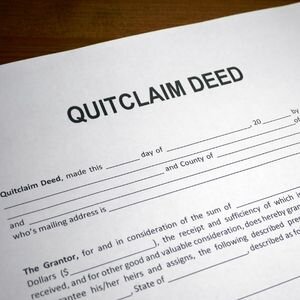
Quitclaim deeds are sometimes used in divorce situations to transfer one party’s interest to the other. That process still needs proper execution, notarization, and two witnesses. No exceptions.
Can Someone Sell Your House Without Your Knowledge in Florida?
A homeowner in Miami checks her mail one day and finds a notice addressed to the new owner of her property. Home title fraud works exactly like that: a criminal forges a deed and illegally transfers ownership without the actual owner’s knowledge, then sells the home or takes out a loan against it. The FBI has flagged this as one of the fastest-growing property crimes in the country, and Florida is a prime target because of its high transaction volume and open recording system.
Under Florida’s strengthened 2024 deed-fraud laws, county clerks must now offer a free alert service that notifies you when a document is recorded against your property, deeds require witness addresses, and homeowners have a faster court path to cancel a fraudulent deed. Register for your county’s free alert service today. It takes five minutes, costs nothing, and sends you an email the moment any document is filed under your name (I’ve done this for every property I own).
A forged deed is treated as void from the moment it is filed under Florida law. The problem is that the fraudulent document still clouds your title until you take legal steps to remove it, a process that often costs real money and takes months (title litigation is slow by nature). Getting ahead of fraud is far simpler than fighting it after the fact.
Sell your property with confidence. Enjoy a fast, hassle-free, and fair experience with Revival Homebuyer. Contact Us today.
Frequently Asked Questions
Can Someone Else Sell Your House Without Your Knowledge?
Legally, no one can sell your home without your knowledge and signature on a valid deed. In practice, criminals attempt it through forged documents and identity theft. If it happens to you, the fraudulent deed is void under Florida law, but you’ll need to go through the courts to get the record cleared and your title restored.
What Is the 7 Year Property Law in Florida?
Florida doesn’t have a blanket “seven-year property law,” but the state does have adverse possession statutes that allow someone who openly and continuously occupies a property for at least seven years to potentially claim legal ownership. This applies only in specific circumstances and requires meeting strict legal conditions, so consult a Florida real estate attorney if you think someone might be occupying your property without your permission.
What Happens When Someone Fraudulently Sells Your Home?
A fraudulent sale doesn’t extinguish your ownership rights, but it creates a serious legal mess. You’d typically need to file a court action to have the fraudulent deed declared void, notify your title insurance company if you have an owner’s policy, and potentially pursue criminal charges against the scammer. The process can stretch for months, so catching it early through a county deed alert makes a real difference.
Can You Remove Someone From a Deed Without Their Knowledge in Florida?
No. Removing a person from a Florida deed requires that person’s signature on a new deed voluntarily transferring their interest. Attempting to file a deed that removes a co-owner without their consent is fraud and a felony under Florida law, carrying penalties that include significant prison time. If you’re dealing with a co-ownership dispute, a Florida real estate attorney can walk you through the legitimate options.
If you’ve got questions about your property, whether you’re worried about fraud, trying to sell without an agent, or just want to understand your options, Revival Homebuyer is happy to talk it through with you. No pressure, no obligation, just a straight conversation about where you stand.
Helpful Florida Blog Articles
- How Long Does It Take to Force a Sale of Property in Florida
- Selling A House That Needs Repairs in Florida
- Can You Sell A House With A Mortgage In Florida
- How To Sell Your House Rent-to-Own In Florida
- Selling A House With Delinquent Property Taxes In Florida
- How To Stop Foreclosure in Florida
- How Much Do Realtors Charge to Sell a House in Florida
- Can I Sell My Parents’ House With Power Of Attorney?
- What Do I Have to Disclose When Selling a House?
- How to Sell a House with Mold in Florida
- Can Someone Sell My House Without Me Knowing in Florida
- Can a Seller Refuse Repairs After Inspection
- Selling Jointly Owned Property During Divorce
- Selling a House in a Trust After Death in Florida
- Selling A Home For A Loss In Florida