![How To Stop Foreclosure [market_city]](https://image-cdn.carrot.com/eyJidWNrZXQiOiJwcm9kdWN0aW9uLmNhcnJvdC11cGxvYWRzLm9uY2Fycm90LmNvbSIsImtleSI6InVwbG9hZHMvc2l0ZXMvNDE2NDUvMjAyNi8wNS9Ib3ctVG8tU3RvcC1Gb3JlY2xvc3VyZS5wbmciLCJlZGl0cyI6eyJyZXNpemUiOnsid2lkdGgiOjExNTJ9LCJ0b0Zvcm1hdCI6IndlYnAiLCJ3ZWJwIjp7InF1YWxpdHkiOjcwfX19)

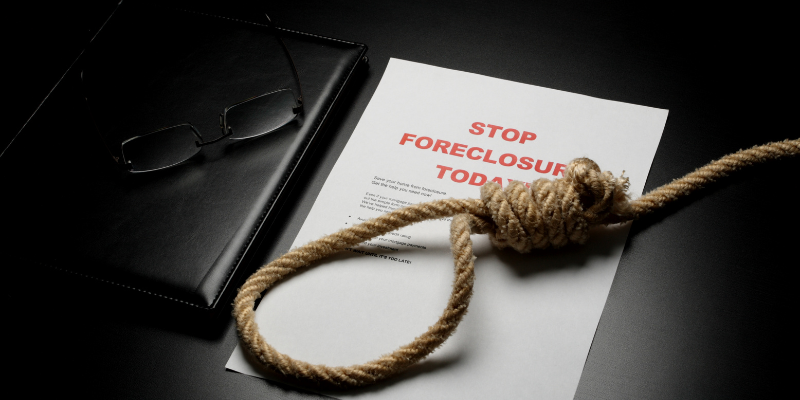
If you are behind on your mortgage payments, knowing how to stop foreclosure in Florida is what stands between you and losing the house. The pressure is enormous. However, many people don’t know this: Florida has one of the highest foreclosure rates in the country, with 1 in every 373 housing units carrying a foreclosure filing in the first half of 2026. But you have options.
For over 10 years, I have been buying houses across the Tampa Bay area, from Tampa and St. Petersburg to Clearwater, Brandon, Lakeland, and Sarasota. I’ve seen families keep their homes because they knew their rights and acted fast. This isn’t about selling you stuff. It’s about offering you a road map to rescue your home or at least safeguard what you can.
Florida uses the judicial foreclosure process, meaning all foreclosures go through the court system. This is actually a good thing for homeowners. Other states allow foreclosures without court supervision, so the court process here gives you more chances to fight back.
Foreclosure is not automatic. Your mortgage lender cannot simply take your house away when you stop paying. They have to make their case in front of a court. They have to follow certain legal processes and give you a chance to answer. Typically, you have 20 days from the date you are served to submit an answer to the court. If you do not answer, the lender will probably get and use a default judgment.
That 20-day timeframe is crucial. Don’t waste it.
Florida Foreclosure Laws And Timeline: What Homeowners Should Know
The average Florida foreclosure timetable is estimated at 135 days for non-contested cases, but that pace only holds when nobody contests the case.
In actuality, the time between the first missed payment and an actual foreclosure sale is usually between 12 and 36 months, if the case is challenged and the homeowner is actively defending themselves in court. The process can take a long time due to court scheduling, lender delays, procedural difficulties, or bankruptcy filings.
I’ve seen foreclosure cases linger for years because lenders erred on paperwork, misplaced paperwork, or were unable to demonstrate they actually owned the mortgage. An experienced foreclosure defense attorney can spot these problems and use them to your advantage.
What to Do if You Receive a Foreclosure Notice in Florida
If you missed your first mortgage payment, try not to panic, but do not ignore the situation either. Many homeowners make the mistake of thinking they have more time than they actually do, which can make the situation more difficult to fix later. Lenders generally start calling customers when they have fallen around 30 days behind on mortgage payments. This early communication is usually in the form of phone calls and written reminders, notices of late fees, and attempts to negotiate repayment choices. At this point, foreclosure proceedings usually haven’t started yet, giving homeowners a critical window of opportunity to look into options including repayment plans, loan modifications or temporary forbearance.
Contact your mortgage servicer as soon as you can. That’s the first step. Be upfront about your financial problems and ask to speak to the department that deals with loss mitigation or foreclosure prevention. Lenders often have programs to help troubled borrowers avoid foreclosure, but those options are much easier to obtain before the legal process starts. When you contact your lender, be sure to take good notes of everything you discuss. Jot down the date and time of the call, the name of the person you spoke with, and what was said. Documentation can become highly crucial later if there are issues as to what was promised or agreed upon.
Start collecting your financial records now, too. Most lenders will ask for paperwork before they accept any hardship aid. This typically includes current bank statements, salary stubs or income verification, tax records, and a letter of hardship describing the reason for your financial challenges. If you are applying for a loan modification or seeking payment assistance, gathering these materials early will help cut down on the review process quite a bit.
After a few missed payments (usually three or more), the lender is able to send a Notice of Default (NOD). This formal notice is a warning that your loan is now in default and that foreclosure procedures may soon begin if the debt is not rectified. Once the Notice of Default is issued, the time to negotiate or cure the default is reduced, making prompt action even more crucial.
The Florida Homestead Exemption: Protecting Your Home
Homeowners should be aware of the protections offered by Florida’s homestead exemption, considered one of the strongest asset-protection statutes in the nation. The homestead exemption protects a lot of things, but not everything. It can protect you from many common creditors who are trying to collect on a credit card amount, a medical bill, or a personal loan, but not from your mortgage company, which can foreclose on your home. If you bought or improved your property using a mortgage loan, then that mortgage debt is a voluntary contractual obligation. Therefore, if you default on your mortgage, you can still be foreclosed on by the lender even if you have a homestead exemption.
Nevertheless, Florida’s homestead rules continue to be quite beneficial as they can safeguard infinite equity in your principal residence from many other types of creditors. That makes Florida one of the most favorable states in the country for homeowners looking to shield their assets from lawsuits or judgments unrelated to their mortgage.
To qualify for homestead protection, you must own and occupy the property as your permanent primary residence as of January 1 of the tax year in question. Florida’s acreage limits also apply; generally, you can have up to one-half acre within a municipality or up to 160 contiguous acres beyond municipal borders.
How Florida’s Judicial Foreclosure Process Operates
Florida is a judicial foreclosure state. This means that lenders must first file a case in court in order to foreclose on a property. If your lender decides to foreclose, it must file a complaint in the circuit court in the county where the property is located. You’ll then be officially served with legal papers, typically a summons and foreclosure complaint.
If you are served, you usually have 20 days to answer the court in writing. This is a very significant deadline. One of the most common and costly mistakes homeowners make is to ignore foreclosure papers. Not responding typically lets the lender get a default judgment, which can greatly speed up the foreclosure process.
Filing a timely answer preserves your legal rights, forces the lender to establish its case, and may prevent a fast judgment against you. In many foreclosure instances, lenders have to prove that they actually hold the loan, that the loan balance is correct, and that all legal requirements have been met. Errors in documentation or procedure may sometimes be valid defenses or leverage in negotiations.
Once a lawsuit is active, the two sides often engage in a discovery phase. Discovery might involve the lender and borrower exchanging documents, answering written inquiries, and sometimes taking depositions. This step can lengthen the process and provide more opportunities to negotiate alternatives, such as loan modifications, repayment programs, or short sales.
Florida Homeowners Have Loan Modification Options
One of the most prevalent foreclosure prevention measures available to struggling homeowners is loan modification. A loan modification is an adjustment to the terms of your existing mortgage to make payments more affordable. A modification can include cutting the interest rate, extending the repayment term, adding the missing payments to the end of the loan, or converting an adjustable-rate mortgage to a fixed-rate mortgage.
Mortgage servicers typically seek proof of financial difficulty and the ability to make future payments. In other words, they want to see that you have a true difficulty, but yet have enough money to keep up with adjusted payments going ahead. There are also federal relief programs that provide modification alternatives sponsored by the FHA, as well as several state housing help programs.
Interestingly, sometimes having a current foreclosure litigation can work in your favor. Once a lawsuit is filed, servicers may be more likely to consider workout solutions to avoid the lengthy litigation process.
Strategies for Negotiating with Mortgage Lenders: Forbearance and Payment Plan
Forbearance agreements temporarily cut or suspend mortgage payments, providing borrowers with short-term respite amid financial distress. But forbearance is not debt forgiveness. Generally, any missed payments during the forbearance period will have to be made up eventually, either in lump sums, repayment plans, or loan modification.
Under repayment programs, homeowners can slowly get back on track by adding part of the outstanding amount to their future monthly installments. In the case of being several months behind, your lender may let you spread the arrears over a period of six to twelve months.
Before sending any money under any agreement, always have your lender confirm all terms in writing. Verbal promises can be risky, difficult to enforce in the event of a dispute, and may leave you unprotected later. If you need to sell your house fast in Tampa, make sure every detail of the transaction is clearly documented before moving forward.
Florida Hardship Documentation Proof Of Financial Hardship
A solid hardship package might go a long way toward increasing your chances of getting foreclosure relief. The core of this package is your hardship letter, which needs to clearly state the financial incident that triggered your delinquency and explain why your position is either temporary or controllable moving forward.
Common hardships include losing a job, having your hours cut, a medical emergency, divorce, the death of a spouse, a company failure, or increased homeowner’s insurance prices. If you have documentation to support your case, this will improve your application. This could include termination notices, medical bills, divorce decrees, death certificates, and notices of insurance premiums showing that your housing costs are increasing.
Foreclosure Assistance for Florida Homeowners: Government Assistance Programs
Florida residents facing foreclosure may have access to many government-backed relief options. Assistance available may include help with mortgage payments, principal reduction programs, and housing transition assistance. Federal alternatives include FHA, VA, USDA, and programs funded by Fannie Mae and Freddie Mac.
Homeowners should investigate their options early and apply as soon as they can because eligibility requirements and deadlines vary widely among programs.
Florida Mediation Program for Foreclosure
Florida had a statewide foreclosure mediation program, which stopped in 2011. While it has been discontinued, some courts may still send foreclosure cases for mediation on a case-by-case basis.
Mediation can be useful because it provides a structure for bargaining. A neutral third-party mediator helps the borrower and lender to communicate and can often lead to more productive discussions than regular customer service encounters. Mediation can provide an opportunity to discuss settlements on payment, revisions, or other settlement terms.
Short Sale vs. Foreclosure: What Are Your Options?
In a short sale, the homeowner sells the home for less than the mortgage sum with the lender’s permission. This choice may be preferred to foreclosure because it often results in less harm to credit, provides the homeowner with more control over when and on what terms, and may include assistance in locating a new residence.
The biggest drawback is clear: you walk away with none of the equity you were hoping to keep. Still, if keeping up with the property is no longer financially realistic, a short sale can be one of the least damaging ways to move forward. For homeowners looking for a faster alternative, we buy houses in Florida and can help simplify the selling process without the delays of a traditional sale. If your property sits across the bay, we buy houses in St. Pete on the same terms.
Deed In Lieu Of Foreclosure
A deed in lieu of foreclosure is when you voluntarily give the property back to the lender instead of going through foreclosure litigation. This choice is often appropriate for homeowners who have little or no equity, no junior liens, and no genuine chance of long-term affordability.
Before they’ll agree to a deed in lieu, lenders typically want borrowers to try a traditional sale or a short sale first.
Chapter 7 or Chapter 13 Bankruptcy to Stop Foreclosure
Once bankruptcy is filed, an automatic stay goes into effect and instantly stops foreclosure proceedings. This can provide essential breathing room for desperate homeowners.
Chapter 7 bankruptcy can wipe out unsecured debt like credit cards and medical bills, which can free up cash flow to pay the mortgage. But it does not eliminate the mortgage debt itself, so foreclosure might still occur if payments remain unaffordable.
In general, Chapter 13 bankruptcy is more helpful for homeowners who are seeking to save their property since it permits delayed mortgage payments to be reimbursed gradually over a three-to-five-year court-supervised repayment plan. This option works well for borrowers with dependable income who need some time to get back on their feet.
Bankruptcy has major long-term financial ramifications and should be entered into only after discussion with qualified legal counsel.
Florida Cash for Keys
Some lenders have “cash for keys” schemes that provide homeowners with financial help if they agree to move out of the property voluntarily. These programs can assist lenders in avoiding the long, expensive process of eviction after foreclosure.
Payments are typically between $1,000 and $5,000, depending on the lender and the marketplace. To qualify, debtors are typically needed to vacate the property by a mutually agreed-upon deadline, leave the property clean, turn over all keys and access devices, and sign release forms.
The Right of Redemption in Florida
Florida law gives limited rights of redemption after a foreclosure sale. In most circumstances, the clerk will keep the Certificate of Title for around 10 days before issuing it to the successful purchaser.
Borrowers may redeem the property by paying the complete loan, accrued charges, and applicable fees prior to the issuance of the Certificate of Title. This privilege exists but is typically difficult to utilize because it demands instant access to large sums of money.
How to Hire a Florida Foreclosure Defense Attorney
Foreclosure defense attorneys are uniquely positioned to help safeguard the rights of homeowners. An expert attorney can evaluate loan paperwork for legal issues, contest the lender’s standing, submit replies in court, negotiate directly with lenders, and find procedural defenses.
Legal prices can vary, but many lawyers provide payment plans or flexible fee arrangements that make consultation well worth the time for many homeowners facing foreclosure.
Scams related to foreclosures in Florida
Homeowners in foreclosure are prime targets for scammers. Be wary of any organization that requires you to pay high up-front costs, claims they can avoid foreclosure, asks you to sign over your deed, or tells you to cease talking to your lender.
If the offer seems too easy or too sure, be warned.
What to Do After a Foreclosure: Deficiency Judgments and Credit Repair
There are financial ramifications even post foreclosure. If the foreclosure sale does not cover the mortgage amount, the lender may seek a deficiency judgment to recover the outstanding balance.
This suggests that debt does not always remain attached to the property. In many cases, recovering credit after a foreclosure can take anywhere from 3 to 7 years, depending on the borrower’s overall financial habits. Rebuilding credit often involves responsible use of secured credit cards, making all payments on time, and maintaining low debt balances. If you’re facing financial challenges or need to sell quickly, Revival Homebuyer, we buy houses for cash.Contact us today.
Homeowners in locations like Tampa, Jacksonville, Orlando, Lakeland, Palm Bay, Cape Coral, and Deltona are in greater risk foreclosure zones, according to market patterns. But don’t despair if you live in a high-risk location.
Every day, families rescue houses because they knew their rights, acted fast, and followed the proper legal or financial strategy. That could include working out a loan modification, fighting the foreclosure in court, or going through a short sale or deed in lieu. If selling turns out to be the cleaner exit, we are cash home buyers in Lakeland and across the Tampa Bay area. You have more options than you think.
Each foreclosure case is unique. What works for one homeowner may not work for another homeowner. However, with the correct knowledge and professional advice, foreclosure may often be delayed, resolved or prevented altogether.
FAQs
What’s the Fastest Way to Stop a Foreclosure?
Foreclosure proceedings can be instantly halted by bankruptcy through the automatic stay. But that’s usually transient unless married with a longer-term financial fix.
How to Avoid Foreclosure on Your House in Florida?
Options may include debt modifications, repayment arrangements, Forbearance Agreements or Chapter 13 bankruptcy. It depends on how much money you have and how far back you are.
How Many Mortgage Payments Can You Miss Before Foreclosure?
Federal standards and loan terms are different, but most lenders do not start foreclosure until borrowers are about 90 to 120 days late.
How Long Can You Remain in Your Home After Foreclosure in Florida?
Normally, you can stay in the home until the foreclosure sale occurs and the title transfers to the new owner. Contested cases might take 6 to 18 months or longer.
Helpful Florida Blog Articles
- How Long Does It Take to Force a Sale of Property in Florida
- Selling A House That Needs Repairs in Florida
- Can You Sell A House With A Mortgage In Florida
- How To Sell Your House Rent-to-Own In Florida
- Selling A House With Delinquent Property Taxes In Florida
- How To Stop Foreclosure in Florida
- How Much Do Realtors Charge to Sell a House in Florida
- Can I Sell My Parents’ House With Power Of Attorney?
- What Do I Have to Disclose When Selling a House?
- How to Sell a House with Mold in Florida
- Can Someone Sell My House Without Me Knowing in Florida
- Can a Seller Refuse Repairs After Inspection
- Selling Jointly Owned Property During Divorce
- Selling a House in a Trust After Death in Florida
- Selling A Home For A Loss In Florida