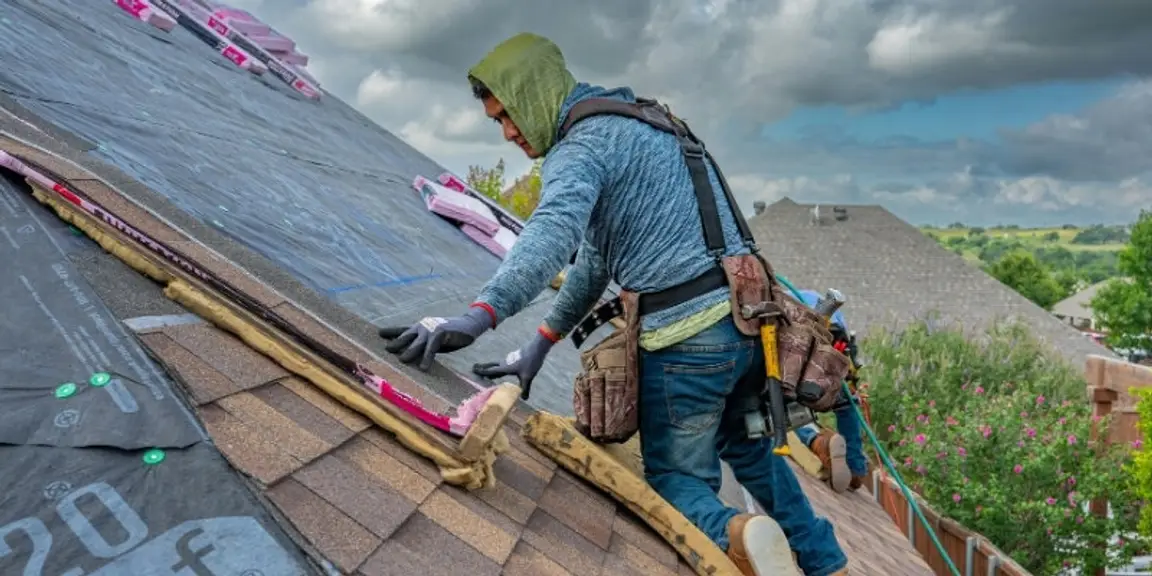

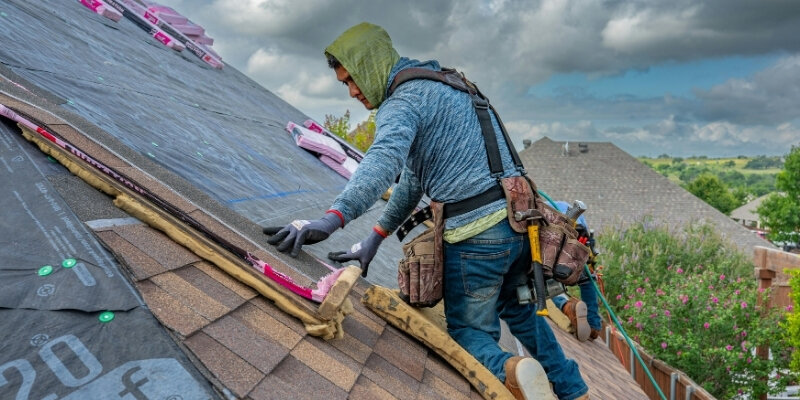
A seasoned roofer can stand in your driveway and guess the year your shingles went on, usually within about two years. Buyers’ inspectors do the same thing. Then they write it down in a report that your buyer reads over dinner. That one line has cost more sellers money than any foundation crack I’ve run across. So the question of replacing a roof before selling a house deserves a real answer, not a shrug. Sometimes it’s the smartest money you’ll spend all year. Other times, you’re buying the next owner a gift and paying interest on it.
How Old Is Your Roof, and How Do You Find Out?
Your city or county building division keeps a record of every roof permit pulled on your address. In most places you can search that record online for free. It’s the fastest, honest answer to the age question. Call the permit desk if the portal confuses you. The clerk handles this one all day.
Seller property disclosures from when you bought the place are the second-best source. Dig out your closing packet. Somewhere in there, a previous owner probably checked a box about roof age or an insurance claim.
Storm history matters as much as the install date, and which kind of storm depends on where you live. Hail bruises the mat under the granules, while wind lifts edges, ridges, and vents first, so a roof that has ridden out a bad one is often older than its install date implies. A ten-year-old roof that took a direct hit can have less life left than a fifteen-year-old roof a county away. You won’t spot granule loss or a lifted edge from the sidewalk.
Get a roofing contractor up there before you decide anything. Most good roofers inspect for free. In my experience buying houses, a written condition report is worth having, whether you sell or stay. Ask for three things: remaining service life, condition of the flashing around chimneys and vents, and whether the attic shows moisture staining or poor ventilation.
One pattern I keep running into: homeowners who swear the roof is “about eight years old” and turn out to be describing a partial repair a contractor did after a claim. Half the roof got replaced. The other half is original. An inspector will catch that mismatch in about four minutes.
Should You Repair or Replace Your Roof Before Selling?

Most sellers replace roofs that only needed repair, and then they lose money on the trade.
A roof with eight or ten good years left, a few cracked shingles, and some tired flashing is a repair job. Spend $2,000, keep the receipt, and hand it to the buyer’s agent. A roof with curling edges, exposed nail heads, active leaks, and a deck that gives underfoot is a different animal. I’ve watched closings fall apart over exactly this, because some lenders and many insurers won’t write a policy on a failing roof.
How long are you willing to stay on the market? That’s the real question behind this decision. A full replacement means estimates, permits, scheduling, and weather delays. Crews book out fast in the weeks after a big storm.
A few years back, I bought a small ranch from a young couple. They were three months behind, with an auction date already on the calendar. Their roof had two patched sections, and the garage was stuffed with baby furniture nobody had unpacked. That kind of clutter usually means someone’s overwhelmed, not lazy. Replacing it would have taken longer than they had, so we closed as-is on a Friday, and they kept their credit intact.
That’s the scenario where the repair-versus-replace math no longer matters. If your timeline is tight or the repair budget isn’t there, selling to a direct buyer like Revival Homebuyer takes the roof off the conversation. We price the condition in. Nobody asks you to front the cost of a project you won’t live to enjoy.
What Do Buyers Really Want to See in a Roof?
If your thinking is that a roof passes as long as water stays outside, the home inspection report will argue with you. Inspectors grade condition, not performance. They photograph lifted shingles, rusted flashing, gutters pulling away from fascia, and bathroom fans venting straight into the attic.
Buyers want two things: a roof that insures easily and one that won’t cost them money in year three. Everything else is decoration.
Paperwork carries real weight here. A seller who hands over the invoice, the permit number, the manufacturer’s warranty paperwork, and a photo of the finished install looks organized. Buyers extend that read to the rest of the house, fairly or not.
During due diligence, the roof drives more credit requests than almost any other line item in residential real estate. A buyer’s agent sees “roof nearing end of service life” in an inspection report and asks for ten or fifteen thousand off the contract price, even when the roof has years left in it. Your defense is a written report from a roofer, dated in the last few months.
Watch the layers question too. A second layer of shingles laid over the first is legal in many places. It shortens service life and gives buyers leverage. Tear-off costs more upfront and reads better on paper.
Ventilation and attic moisture get ignored until an inspector finds mold on the underside of the sheathing. Cheap to fix. Expensive to explain at the negotiating table.
Which Roofing Materials Give You the Best Return?
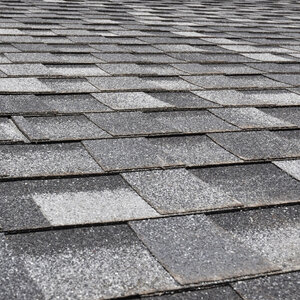
For years, I told sellers that upgrading to a premium product would set their listing apart, and the resale data never backed me up.
Standard architectural shingles win on return almost everywhere. Zonda’s 2025 Cost vs. Value Report, released in September 2025, puts asphalt shingle work at roughly 68 percent of its cost recouped nationally. Metal runs an average project cost of $51,865 and returns closer to 50 percent. Metal lasts longer and looks sharp on a mountain property. It just doesn’t pay you back at the closing table.
Tile and slate are a different story. Matching the street protects your appraisal when your neighborhood has mostly tile roofs. If yours would be the only one, you’re funding an aesthetic choice, not an investment.
Impact-rated and fortified roofs are the upgrade most likely to pay you back. Class 4 shingles carry a UL 2218 rating, and a roof built to the FORTIFIED standard goes further with better deck attachment, sealed seams, and reinforced edges. Insurers in a number of states discount the wind and hail portion of a policy for both, and in Mississippi and South Carolina some of those discounts run past 50 percent. State Farm alone paid out more than $5.6 billion in U.S. hail claims during 2025, so carriers have every reason to reward a roof that cuts the exposure.
A buyer who learns the roof earns an insurance discount hears “lower monthly payment.” That lands harder than any brochure about how a roof looks.
Why Do Certified Installation and Warranties Matter to Buyers?
Paperwork behind the install carries nearly as much weight with a buyer as the shingle itself. Roofing warranties come in tiers. The strongest tiers require a certified installer using that maker’s full system: underlayment, starter strip, ridge cap, the works. A discount crew slapping shingles over old felt voids the good coverage before the truck even leaves.
Ask any roofing contractor two questions before you sign. Is the warranty transferable to a new owner? Does the transfer require notice within a set window? It’s a real selling point. Most warranty papers bury a deadline for filing the change of ownership. Miss it, and a strong warranty turns weak.
Your insurance bill reflects all of this. Insurify projects the average U.S. premium at $3,057 for 2026, a fifth straight year of increases. Storm losses are the main driver, and the roof is where carriers have tightened hardest. A handful of states now limit what an insurer can do on roof age alone. Elsewhere a carrier can decline an older roof outright, or write it at actual cash value instead of replacement cost, which quietly shifts thousands onto the owner. A documented, code-compliant install gives your buyer’s agent something concrete to hand an underwriter.
Keep the workmanship warranty separate in your mind from the manufacturer’s warranty. One covers the shingle. The other covers the roofer’s labor, and it’s usually shorter. Both belong in the file you give your buyer.
How Does Curb Appeal Affect Your Sale?
First impressions start before anyone steps inside. The median U.S. home sold for $398,596 in August 2026 and sat on the market for 50 days, according to Redfin. At that pace, buyers show up with high standards and a phone full of comps.
The roof occupies a larger share of your listing photos than anything except the front elevation. Streaked, patchy, moss-darkened shingles telegraph deferred maintenance across the whole property. Clean, even ones do the opposite work for free.
You don’t always need a replacement to fix the visual problem. A soft wash removes algae streaking. Straighten and clean the gutters, replace the rusted drip edge, and replace a few odd shingles. That can pull a tired roof back into decent range for a fraction of replacement cost.
Watch a buyer pull up to a house sometimes. They look at the roofline before they look at the door, and those first three seconds set the tone for everything the real estate agent says next.
Landscape around the drip line, too. Overhanging branches scraping shingles, downspouts dumping against the foundation, and a gutter full of pine needles all read as neglect to a careful buyer. Fixing those takes a Saturday.
Does a New Roof Increase Your Home’s Resale Value?

Not all of it comes back, and anyone promising otherwise is selling shingles. The 2025 national figures put the average asphalt replacement cost at around $31,871, against roughly $21,501 in added resale value. You’re buying speed and negotiating room with the difference.
Where the math flips in your favor is on a roof at the end of its life. Replacing it can prevent a five-figure price reduction, keep a financed sale alive, and shorten your days on market. Zillow put the average U.S. home value at $368,697 in August 2026. Against a number like that, a stalled listing racks up carrying costs that eat the savings fast. I’ve watched it happen.
Appraisers rarely assign a specific line-item bump for a new roof. They note the condition. A roof at the end of its service life can trigger a repair condition on the appraisal, which then holds up the loan. That’s the risk sellers miss.
A couple came to me mid-divorce, both already living elsewhere, both done arguing. Their roof had hail bruising from a storm neither of them had filed on. There was a detached garage with a kayak rack still bolted to the wall. Neither wanted to manage a roofing crew from two different addresses. That’s usually the sticking point in these splits. So we bought it as-is, and they split the proceeds at closing per their agreement.
Selling as-is isn’t surrender. It’s a calculation about time, cash, and how much project management you want in your life right now. That’s the same call sellers make when they work with a company that buys houses in Brandon, FL.
Frequently Asked Questions
What Should You Leave Alone Before Selling Your House?
Skip remodels with long payback: kitchen overhauls, bathroom gut jobs, and high-end finishes a buyer may rip out anyway. Leave minor cracks, dated but functional appliances, and carpet that’s merely old rather than damaged. Fix safety issues, active leaks, and anything an insurer or lender will flag. Those items stop a sale cold rather than shaving a few dollars off the price.
How Much Does It Cost to Replace a Roof on a 2,000 Square Foot House?
A plain tear-off and replacement on a 2,000-square-foot house usually lands somewhere in the teens of thousands, and the national Cost vs. Value average of $31,871 sits above that because it covers larger and more complicated roofs. The range widens fast once you add tile, steep pitch, multiple layers to strip, or a city with slow permitting. Labor rates and local code swing the number by thousands from one metro to the next, which is why a national average is a starting point and not an estimate. Square footage of the house also isn’t the square footage of the roof. A 2,000-square-foot ranch with a low-slope roof and a 2,000-square-foot two-story with dormers are two different jobs.
Is It Worth Fixing a Roof Leak Before Selling?
Usually, yes, if the leak is active. An open leak keeps chewing through drywall, insulation, and framing. It also turns a contained repair into a disclosure item with a growing paper trail. A targeted repair on a single flashing or valley often runs a few hundred dollars and removes a talking point from every showing. A full replacement is a different question. That one comes down to the roof’s age and how quickly you need to sell.
Do You Have to Disclose an Old Roof?
You have to disclose what you know. Most states require a seller to disclose known problems that materially affect value and that a buyer would not readily spot, and the standard disclosure form in most of them has its own roof section plus a line for storm and casualty damage. The exact form and the exact duty vary by state, so read yours before you fill it out. Age alone isn’t a defect. Known leaks, unpermitted work, and past storm claims belong on the form. Guessing is worse than saying you don’t know. Buyers forgive an old roof far more easily than they forgive a surprise.
Selling with the Roof You Already Have
If you’ve got the time, the cash, and the patience to manage a crew, a new roof will help your listing move. If you don’t, that’s not a failure of planning. Plenty of homes sell every month with roofs that have seen better decades.
Skip the estimates, the tarps, and the weeks of waiting on a supplement from the insurance company. We’ll look at your house as it stands and give you a number you can compare against the listing price. Sellers get the same treatment in every market we buy in, including with our cash house buyers in Orlando, FL. No obligation, no cleanup, no pressure either way. Contact us when you’re ready to see what the as-is path looks like for your place.
Helpful Florida Blog Articles