


Spend $50,000 gutting your kitchen, then walk away at closing with less than you put in. Nobody made that up. Plenty of sellers have lived it, and most never saw it coming.
What a Kitchen Remodel Really Costs Before You Sell
Start with the number that matters. The 2025 Zonda Cost vs. Value Report puts the national average cost of a minor kitchen remodel at $28,458, and the resale value it adds at $32,141. That works out to a 112.9% return, the only interior project to crack the national top five. Spend double or triple that on a full gut renovation, and the math flips hard. Zonda pegs a major midrange kitchen remodel at roughly 51 percent of cost recouped. Restraint wins, which is never what a seller wants to hear.
Before you weigh any of that, look at what selling already costs you. Agent commissions run 5 to 6 percent of your sale price, averaging about 5.7 percent nationally in early 2026. Add title fees, concessions, and closing costs, and you’re handing over somewhere between 6 and 10 percent off the top. A kitchen remodel budget sits on top of all that. So run the numbers against your real expected sale price before you pick up a single kitchen cabinet door.
Tired landlords call us with a version of the same home. Dated kitchen, garage packed to the ceiling with somebody else’s junk, a tenant who stopped answering the phone. The owner has carried it for a decade and is finished. No homeowner in that spot needs a cosmetic upgrade first, and spending on one before listing just makes the hole deeper. We buy houses like that as-is across Tampa and Hillsborough County. That includes owners who need to sell a house fast in Brandon without lifting a paintbrush. The kitchen never gets touched before closing, and the seller doesn’t lose a dollar to renovation costs.
None of that is an argument against remodeling. It’s a reminder that renovation is one option, not a requirement.
Should I Remodel My Kitchen Before Selling My House?

Three things decide it. How wide the gap is between your kitchen’s condition and what comparable homes near you offer. How much time you have before you need to sell. Whether your budget can absorb a renovation that doesn’t fully pay back.
A full kitchen remodel isn’t always the right call. Mid-market homes often need a cosmetic refresh and nothing more, while higher-end properties can genuinely require full renovations to meet what those buyers expect. Sellers assume that because buyers always mention the kitchen, they’ll pay extra for a brand-new one. They won’t. Not in price ranges where they’re already stretching.
If your kitchen works fine but looks stuck in 2008, paint on the cabinets, new hardware, and better lighting can do more for your sale than a $60,000 renovation. Watch the paint budget, though. Doing it yourself runs about $200 to $600 in materials, while hiring a pro to spray your cabinets typically costs $2,000 to $7,000 nationally. That’s real money. It just isn’t renovation money. Either way, the result reads as well-maintained to buyers, and nobody spends three months coordinating a renovation.
One option, if you’d rather skip the renovation headache, is selling straight to a buyer in Florida like Revival Homebuyer. We buy homes as-is in Tampa, outdated appliances and worn cabinets included, which makes your kitchen condition our problem instead of yours.
Which Kitchen Remodel Types Add the Most Value?
The full-gut renovation with custom cabinetry, quartz countertops, and high-end appliances looks like the obvious value-add. Buyers do love a beautiful kitchen in photos, so sellers keep pouring money into upgrades that don’t come back at closing. Television renovation shows make it look like a guaranteed payday. It isn’t.
Zonda’s minor kitchen remodel is the scope that actually pencils out for most sellers. It keeps your existing cabinet boxes, replaces the door fronts and hardware, updates the appliances, counters, sink, and flooring, and changes nothing structural. No walls move. No new layout. That restraint is the entire reason the renovation return holds up.
Painting cabinetry instead of replacing it saves tens of thousands. Countertops in quartz or butcher block hit the right visual notes without wrecking the budget. Swapping worn vinyl or stained carpet for something clean and neutral makes the whole kitchen feel newer than it is. Lighting gets underbudgeted almost every time, and a well-lit kitchen photographs better and feels larger to anybody walking through.
Garage doors, of all things, took the top ROI spot for the second year running. Zonda’s 2025 report puts that return at 268 percent, up from 194 percent the year before. Sellers obsessing over kitchen design routinely ignore the front of the home, and the front of the house is where buyers form their first impression. If you want the wider list beyond the kitchen, we broke down the essential renovations to sell quickly in Tampa and what each one tends to return.
What Is the ROI on a Kitchen Remodel?
Appraisals are where over-improved kitchens go to die. A seller finishes a full renovation with new cabinetry, marble counters, and a matching appliance package, then lists at a price high enough to recover the spend. Three months later, the appraisal comes back short. Comps set the price ceiling in a neighborhood of similar homes, not the kitchen, and no amount of marble changes that.
That’s the ROI trap. A rule of thumb worth keeping: your kitchen remodel should stay inside 10 to 15 percent of the home’s value. On a $400,000 home that caps you at $40,000 to $60,000, and the minor remodel scope that pays back best sits well under that ceiling. Past it, the extra cost rarely comes back. Spend more than your market can absorb, and you’re decorating for yourself, not for your buyer.
Timing carries a cost too. A kitchen remodel that drags on for three to six months, which is typical once design and permits are counted, can push your listing into a slower season. Every week your money sits in construction is a week you’re not on the market collecting offers. Renovation delays can cost you the window when buyers in your area were actively shopping.
The honest answer on ROI: small, targeted kitchen updates return the most per dollar. Grand renovations almost never fully recover their cost at resale.
How to Boost Your Kitchen Remodel ROI Before Listing
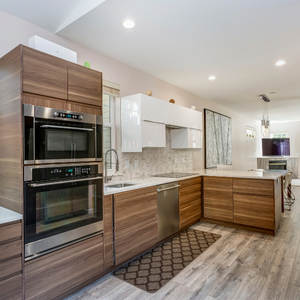
Sellers who skip the planning stage and go straight to a contractor estimate end up with expensive kitchens that don’t match their neighborhood or their buyer pool. That’s what an emotional renovation decision looks like on a closing statement.
Pull three to five recent comparable sales nearby and look hard at their kitchens. Yours doesn’t need to beat every comp. It needs to be competitive with them at your price. If everything in your price range has painted cabinets and laminate counters, adding custom cabinetry and stone countertops won’t move your asking price up much.
Keep the design choices boring. Bold colors, odd layouts, and specialty features shrink your buyer pool. White, gray, and natural wood tones work in almost any home. Timeless beats trendy when you’re selling, every time.
For homeowners who want a second opinion before committing to a kitchen remodel budget, talking to a local buyer like Revival Homebuyer gives you a real-world baseline. We’ve walked hundreds of Tampa kitchens in every condition, and we’ll tell you quickly whether the work you’re planning will move the needle.
How to Build a Smart Selling Plan Around Your Renovation
Two expired listings and zero offers usually isn’t a kitchen problem. It’s a price problem. The calls sound the same either way: the owner is exhausted, carrying two mortgages, and convinced a dated kitchen killed the sale. Usually, the kitchen was dated but perfectly functional.
Renovation decisions can’t sit apart from your overall selling plan. If the home has deferred maintenance elsewhere, a shiny new kitchen won’t distract a buyer or their inspector. Roof issues, foundation cracks, plumbing problems, outdated electrical: those will kill a sale faster than a dated backsplash ever will. Address the structural and functional problems first. Then look at cosmetic kitchen updates if your budget still has room, which it often doesn’t. If that list is long and the budget isn’t there, here’s how to sell a house as-is in Tampa, FL, without touching any of it.
Pricing changes the math more than any upgrade you can buy. A well-priced home with a clean, functional kitchen beats an overpriced home with a renovated one most of the time. Listings that go stale typically need a price cut to bring interest back, and they tend to close below what an accurate initial listing price would have produced.
Agents can hand you useful comparable sale data, and a good realtor will tell you honestly whether renovation is worth it for your specific home. If you’d rather skip the selling process altogether, Revival Homebuyer buys homes in any condition, no renovation required.
Frequently Asked Questions
What Is the 30 Percent Rule in Remodeling?
The 30 percent rule is a budgeting guideline, not a law. It says your total renovation spending shouldn’t pass 30 percent of your home’s current market value, so a $400,000 home caps out around $120,000 across all projects combined. The point is keeping you from over-improving for your neighborhood, where the upgrades cost more than they add. For a kitchen specifically, most advisors suggest staying inside 10 to 15 percent of the home’s value.
What Should You Not Fix Before Selling a House?
Skip the upgrades that are too taste-specific to pay back. That means luxury appliances in a mid-range home, or high-end custom cabinetry in a neighborhood where buyers are already stretching. Bold design choices that narrow your buyer pool belong on the same list. Structural and safety issues are worth handling before you list. Cosmetic details that reflect only your personal style rarely justify the spend before a sale.
What Renovations Add the Most to Resale Value?
Exterior work beats interior remodeling at resale, and it isn’t close. In the 2025 Cost vs. Value Report, a garage door replacement averaging around $4,672 added an estimated resale value of $12,507, which is a 268% ROI. Inside the home, minor kitchen updates, fresh neutral paint, and refreshed flooring offer the best returns without the capital risk of a full renovation.
Is $30,000 Enough for a Kitchen Remodel?
For a minor remodel, yes. Zonda’s national average for that scope is $28,458, so $30,000 sits right in the sweet spot for ROI. You can repaint or reface cabinets, update hardware, replace countertops, swap out the sink and faucet, add better lighting, and put down new flooring inside that number if you’re strategic. A full gut renovation with new cabinetry, layout changes, and premium appliances costs far more, and the ROI drops off considerably as the scope grows.
Selling a home in Clearwater, or anywhere else in Florida, comes with plenty of decisions. If you’re considering your options, read our reviews or talk with Revival Homebuyer for a straightforward answer, even if selling to us isn’t the right choice.
Helpful Florida Blog Articles