![What Happens If a Seller Declines to Close In [market_city]](https://image-cdn.carrot.com/eyJidWNrZXQiOiJwcm9kdWN0aW9uLmNhcnJvdC11cGxvYWRzLm9uY2Fycm90LmNvbSIsImtleSI6InVwbG9hZHMvc2l0ZXMvNDE2NDUvMjAyNi8wNi9XaGF0LUhhcHBlbnMtSWYtYS1TZWxsZXItRGVjbGluZXMtdG8tQ2xvc2UucG5nIiwiZWRpdHMiOnsicmVzaXplIjp7IndpZHRoIjoxMTUyfSwidG9Gb3JtYXQiOiJ3ZWJwIiwid2VicCI6eyJxdWFsaXR5Ijo3MH19fQ==)

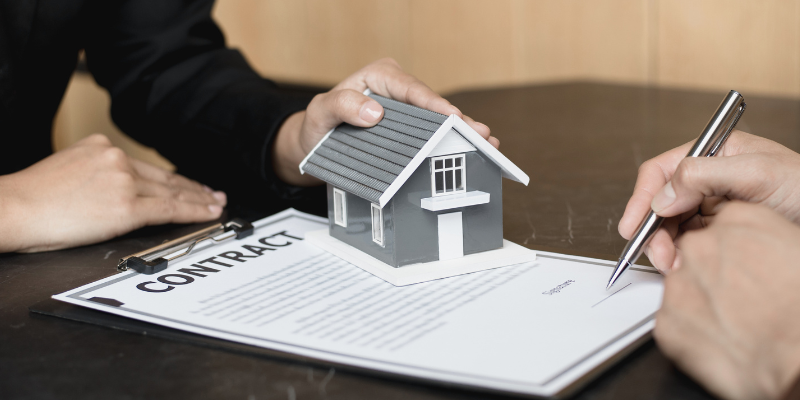
You signed a real estate contract. You cleared your financing, paid for the inspection, and blocked off the closing date. Then the seller goes quiet, or their agent calls with bad news. Most buyers assume a signed contract settles the matter, and most of the time it does. Some sellers still try to walk, whether a better offer showed up or they’ve talked themselves out of moving. A seller who refuses to close hands the buyer a legal problem and a financial one at once. What you do in the first week shapes how much of your deposit you get back.
Understanding Seller Refusal to Close on Your Home Purchase
A seller who backs out of a real estate transaction that looked finished hasn’t left the buyer without options. That signed purchase agreement is a binding contract. Changing their mind carries consequences for them, not for you. Buyers usually hold contingency clauses inside the contract that let them exit cleanly, and sellers have far fewer of those exits written in.
Say a seller stops performing for reasons entirely their own. A higher offer, second thoughts about the neighborhood, plain seller’s remorse. Any of those puts the seller in breach of contract, and you get several routes to recover what you’ve spent, plus whatever Florida law adds on top.
Florida’s median sale price for an existing single-family home hit $425,000 in July 2026, up 3.7 percent over the year before. Buyer closing costs run roughly 2% to 5% of the price on top of that. Add the earnest money, the inspection, and the appraisal, and a lot of your money is committed before anybody sits down at the closing table. That’s why knowing your contract remedies matters more than most buyers expect.
If you’re facing uncertainty with a traditional home sale, consider a direct cash offer. Contact us today for a fast, hassle-free sale with no financing delays, no repairs, and a closing timeline that works for you.
Why Sellers Back Out of Real Estate Transactions and Which Reasons Are Legally Valid
“But they already signed” is where most buyers start, and it misses something. A real estate contract does bind people. Sellers still look for the door. A few of their reasons hold up under Florida law. The rest just prove they shouldn’t have signed.
For homeowners who are reconsidering a sale, understanding how to take your house off the market can also be important before making any decision. Whether the property is only listed or already under contract changes the steps, and it changes what the consequences look like.
Some outs are real. The FAR/BAR “As Is” contract lets a seller off the hook if they can’t make title marketable after a reasonable, diligent effort. Miss one of your own contract deadlines and you hand the seller a legitimate reason to terminate. Financing that doesn’t come through on time counts. So does an earnest money deposit that shows up late.
Most attempts don’t hold. Higher offers tempt sellers constantly, especially where homes keep appreciating. A seller who takes a better offer after signing with you is in breach of the contract, period. Cold feet, a spouse who changed their mind, a sudden worry about capital gains: none of that creates a legal exit. Courts read the contract terms and the dates, and that’s about it.
Title trouble is the gray area. Unresolved liens, an easement nobody disclosed, an heir with a claim that surfaces in the title search. A seller who can’t clear those inside the contract’s cure period may have grounds to cancel. Discovery alone cancels nothing, though. The seller has to try to cure the title defect first, document what they found, and show the effort. Skip that and the cancellation won’t stand.
What Constitutes a Seller Breach of Real Estate Contract Under Florida Law
Florida treats a breach of contract as a failure to do what a valid agreement promised, absent a lawful excuse. Breaches come in two flavors, material and minor. A minor breach might be a document that arrives a day late. A material breach cuts to the heart of the bargain and strips the other side of the main thing the contract promised them.
Refusing to close is about as material a breach as it gets. You satisfied the conditions, locked your financing, finished inspections, wired the deposit. The seller won’t transfer ownership. That’s a material breach of contract, and it hits investor homebuyers in Florida as hard as anyone, since a rental acquisition or a fix-and-flip runs on a closing date.
Timing decides more breach of contract claims than the facts do. Under Florida Statute 95.11(2)(b), the statute of limitations on a written contract gives you a five-year window from the date of the breach. Specific performance is a different animal. Section 95.11(6)(a) sets a one-year limit, and that clock is easy to miss. Let either window close, and your remedy is gone no matter how strong your paperwork looks.
The FAR/BAR contract governs most residential real estate transactions in the state. Its “As Is” Residential Contract for Sale and Purchase spells out what a buyer can do when the seller walks, and Paragraph 15(b) is the one to read before you call anybody.
How to Prove Your Case When a Seller Refuses to Close on Your Home Purchase
Documentation wins these. You need to show you did everything the contract asked while the seller didn’t. Keep every email, every text, the inspection report, the financing approval, the deposit receipt. A single text thread has decided more than one of these cases. Sort it early, before you’re reconstructing a timeline from memory.
Your signed purchase agreement is the spine of the story. It says who owed what under the contract, and by when. Loan approval letters prove your financing landed on time. Inspection reports show you met the evaluation deadlines. Deposit confirmations prove the earnest money went where the contract said it should.
Witnesses help more than buyers expect: the real estate agents, the lender, the title officer, the inspector who walked the property. Speed matters most, though. Document the breach and get a real estate attorney reading your contract within days, not weeks. An attorney who sees the file early can send a demand letter before the seller signs with somebody else. Courts lean hard on what’s written down and give little weight to what somebody remembers hearing on a phone call. That cuts both ways, so keep your own claims specific and dated, whether you’re buying from a private seller or working with cash house buyers in Brandon and surrounding Florida cities.
Legal Remedies Available to Buyers When Sellers Breach Purchase Agreements

In Florida real estate, courts reach for money damages first and rarely force a seller to hand over the property. Specific performance is still the strongest tool a buyer has when only that property will do. Judges grant it when a check can’t make the buyer whole. Buyers weighing their next move sometimes talk to a company that buys houses in Orlando and the surrounding cities in Florida for a read on local conditions.
Under Paragraph 15(b) of the “As Is” contract, a buyer facing seller default can take the deposit back without giving up the right to sue. A buyer can also press for what the breach cost them, or ask the court for specific performance and make the seller finish the sale. Real estate gets treated as unique, which is why that remedy exists here and not in most contract disputes. Be ready to show you were prepared to perform on the contract terms.
A lis pendens usually goes on record alongside a specific performance suit. It puts the world on notice that the property sits inside active litigation. That clouds the seller’s title and freezes their ability to sell the home to somebody else while the case runs.
Damages cover more than the deposit. “Benefit of the bargain” damages capture the gap between market value and your contract price, and a buyer can add the inspection, the appraisal, and legal costs. Watch for a liquidated damages clause, though. That kind of contract provision can cap what you’re allowed to collect no matter what you actually lost.
The Mediation Process and When to File a Lawsuit Against a Breaching Seller
Talk first. Paragraph 16 of the FAR/BAR contract gives the buyer and seller 10 days after conflicting demands for the deposit to work it out between themselves. No agreement in that window sends the dispute to mediation under the Florida Rules for Certified and Court-Appointed Mediators. A buyer seeking injunctive relief can skip mediation, but that’s a narrow exception.
Mediation isn’t a formality you can shrug off. Blow past mediation, and you may lose your shot at recovering attorney’s fees even after winning. Most Florida real estate contracts build mediation into them to keep small disputes out of court, and judges hold the parties to them.
Sitting down with a mediator settles more of these than buyers assume. A neutral mediator with real estate experience laying out what a breach trial costs tends to focus a seller quickly, because the downside runs both directions. Neither side wants to burn a year and five figures over a $12,000 deposit.
If mediation fails, the buyer is free to file. Remedies at that point include the deposit plus damages, or a breach of contract action asking the court to order specific performance. The same limits from Florida Statute 95.11 apply: five years on the written contract and one year on specific performance.
Attorney Fees and Court Costs in Florida Real Estate Breach Cases
Getting the sequence wrong is expensive. Paragraph 17 of the FAR/BAR contract sends costs and reasonable attorney’s fees to the prevailing party in litigation, and that promise depends on litigation the contract actually permits. Follow the dispute resolution path, and you keep the fee claim. Cut a corner, and you may hand it away.
Mediation fees work differently. The parties split the mediator’s fee, and each pays their own attorney for that stage, win or lose. So the fee-shifting upside only shows up once a case reaches court.
Litigation costs stack up fast. Florida real estate lawyers billed an average of $337 an hour in 2025, against a statewide average of $353 across all practice areas. Flat-fee work exists for simpler matters, generally $500 to $3,000, and closing representation tends to run $800 to $2,500 or more. Filing fees, service, depositions, and recording charges sit on top of all of it.
Florida otherwise follows the American Rule, where each side pays its own attorney unless a statute or a contract says otherwise. Plenty of real estate contracts include the loser-pays clause, which is why reading your contract matters before you file anything. Run the math on what you might recover against what the fight will cost. When the attorney bill looks bigger than the loss, the answer usually isn’t a lawsuit.
How to Protect Yourself From Seller Breach and Recover Your Losses
Watch a hesitant seller closely. A breach almost always sends signals first. Odd questions about contract terms you settled weeks ago. A push to reopen something the contract already nailed down. Replies that used to come in an hour now taking three days. Any of that is worth a phone call to your real estate agent, even when the change seems small.
Paper everything from day one. A written confirmation carries weight that a verbal promise never will when you’re proving you performed. Keep the inspection reports, loan documents, message history, and deposit receipts somewhere you can pull them in five minutes. That habit is what makes a buyer credible if a claim ever gets filed.
Earnest money in the 1 to 3 percent range protects the transaction without tying up more of your money than the contract requires. Work with real estate agents, lenders, and title people who’ve watched a sale go sideways before, since they’ll spot trouble ahead of you. Read the liquidated damages language before you sign the contract, not after. And keep a backup option in your pocket so a failed closing doesn’t leave you with nowhere to go.
If you’re looking to avoid the uncertainty of a traditional sale, Revival Homebuyer provides fair cash offers, allowing homeowners to sell quickly without financing delays, lengthy negotiations, or the risk of a sale falling through at closing.
Frequently Asked Questions
Can You Force a Seller to Close?
Yes, through a legal action called specific performance. Florida courts can order sellers to complete the sale at the contracted price and terms. A buyer has to prove they met every contract obligation while the seller failed to meet theirs. File within the one-year limit under Florida Statute 95.11(6)(a). This remedy fits best when you want that specific property rather than a check.
How Long Does It Normally Take to Close on a House in Florida?
Most Florida closings land within 30-45 days after the contract is signed, depending on the financing and the inspection schedule. Cash purchases often close in one to two weeks. FHA and VA loans usually need extra processing time.
Do Sellers Have to Pay Closing Costs in Florida?
Sellers carry most of them, commonly 6-10% of the sale price. That covers agent commissions, title insurance, and Florida’s documentary stamp tax on the deed, which runs $0.70 per $100 of the price in most counties and $0.60 in Miami-Dade. Buyers pay the mortgage-related costs, including loan origination fees and their share of title insurance.
How Long Are You Liable After Selling a House in Florida?
It depends on the claim. A written contract breach has to be filed within five years. A claim built on fraud, which is where most undisclosed defect disputes land, gets four years under Florida Statute 95.11(3)(i). The clock generally starts when the buyer discovers a problem the seller knew about and didn’t reveal.
If a seller is trying to back out of your purchase agreement, don’t wait to get help. Keep records of everything, follow your contract’s dispute-resolution steps, and get legal guidance early to protect your position. Reach out to us at Revival Homebuyer for help with Florida real estate situations like this. Feel free to reach us at (813) 548-3674.
Helpful Blog Articles