
Understanding Code Violations: What You Need To Know
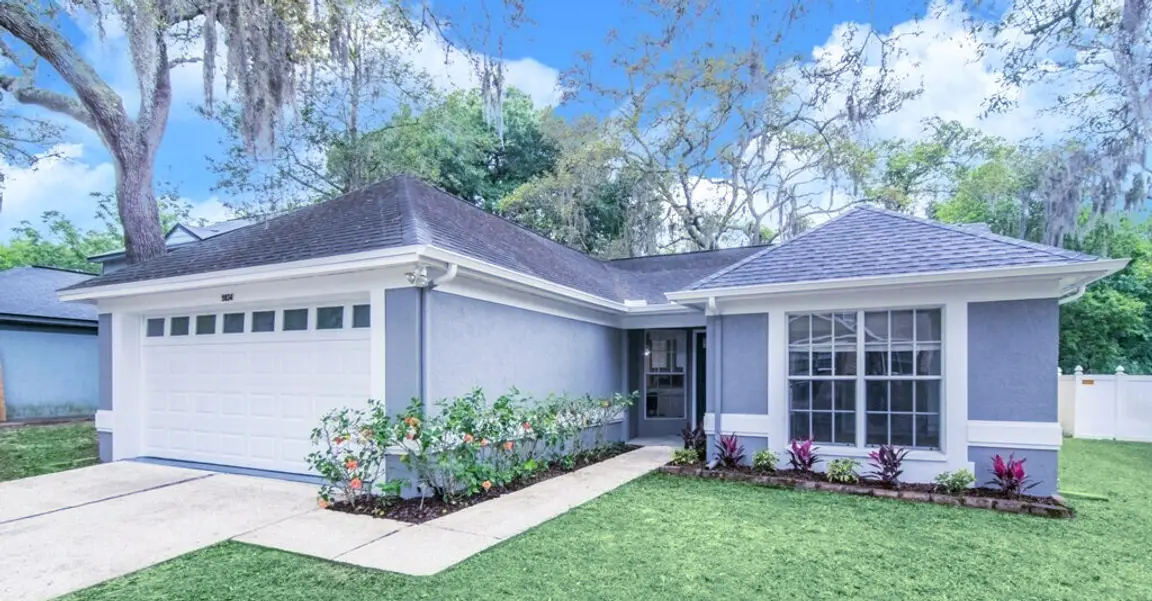
Understanding code violations is important to Florida homeowners who try to sell their homes. Code violations by local government agencies can be building code violations or zoning violations. In the simplest terms, they are violations for issues found on the homeowner’s property.
Examples of minor issues include code violations for overgrown grass. Code violations for structural issues are on the opposite end of the spectrum. The bottom line is that complaints must be resolved before the home is positioned in a competitive marketplace. Unaddressed code violations can lead to a decline in home value. Unresolved code violation notices can lead to fines and local government violations.
While trying to sell a home, Florida homeowners are responsible to the government for code violations. Homeowners must be proactive to resolve the issues before they can manage the home.
Table Of Content
1. Understanding Code Violations: What You Need To Know
2. Common Code Violations in Homes: Are You at Risk?
3. Disclosing Code Violations To Potential Buyers: What You Should Know
4. Expert Tips For Dealing With Code Violations As A Seller
5. Selling Your Florida Home With Real Estate Investors Who Handle Code Violations
6. Options For Selling A House With Code Violations To Local Home Buying Companies In Florida
7. How Does Code Enforcement Work in Florida?
Common Code Violations in Homes: Are You at Risk?

When it comes to selling a house in Florida, homeowners need to be aware of potential code violations that could affect the sale of their property. Some of the most common code violations in homes include issues with electrical wiring, plumbing, and structural integrity.
Other common violations include improper use of space, such as converting a garage into a living space without proper permits. Additionally, homes with pools must meet specific safety regulations to avoid code violations.
As a homeowner, it is important to ensure that your property meets all building codes and regulations before putting it on the market to avoid any delays or complications during the selling process.
The Impact Of Code Violations On Selling Your Home
Selling a house with code violations in Florida can be a daunting and complicated process for homeowners. Not only do these violations affect the overall value and appeal of the property, but they can also create legal barriers that may delay or even prevent the sale altogether.
These violations can range from minor issues, such as unkempt landscaping, to more serious problems, like structural damage or unpermitted additions. Regardless of the severity, any code violation can significantly impact the selling process and require special attention when listing the home on the market.
Homeowners must understand how these violations can affect their ability to sell their houses to navigate the process successfully.
Disclosing Code Violations To Potential Buyers: What You Should Know
In Florida, if you wish to sell your home with existing code violations, you have to know how to explain possible violations to potential buyers. This means you have to describe existing violations and explain and refer buyers to relevant documentation.
Legal and financial penalties for all parties involved are possible if buyers are not informed of existing code violations. Homeowners must understand the code violations and the penalties for not executing them prior to selling the home.
Homeowners who disclose all code violations are more likely to successfully and legally complete the home-selling process.
How Code Violations Can Limit Your Buyer Pool
When there are code violations on a property, selling a house in Florida becomes even more complicated and overwhelming. Properties have to meet certain criteria to be in compliance with government regulations and laws. When a property contains issues that do not comply with these laws, it is deemed to have code violations.
These issues can consist of damaged structures or even simply paint that is peeling. Unfortunately, selling a house with these issues can deter potential buyers.
When properties that have code violations go on the market, a majority of buyers are turned off, as they do not want to spend money or time fixing the code violations to make the property compliant. This wastes a significant amount of time if the seller is trying to sell it fast or for a certain value.
This means that more homeowners need to be educated on code violations and the effect they have on selling a home in Florida. After understanding, homeowners should try to fix these issues and then sell their homes.
Expert Tips For Dealing With Code Violations As A Seller
If you are a homeowner in Florida, selling a house with code violations can be very intimidating. To avoid any legal issues, it’s very important to understand the regulations surrounding code violations prior to putting your house on the market.
Fortunately, there are great tips that can guide sellers in the right direction. For instance, addressing any code violations can be a great way to improve the overall value you receive for your property.
In addition, it’s very helpful to have a good real estate agent who is knowledgeable and well-versed in the Florida code violations. The right estate agent can be very helpful and assist you in your right approach to the issue.
The good approach to resolving any code violations before putting the house on the market is to do the research on the code regulations relevant to your property. Lastly, disclosing code violations to your buyers will assist you and your buyers in avoiding selling problems. This means you will build trust with your buyers.
Saving The Deal: Strategies For Addressing Code Violations
There are tips to save the deal for Florida homeowners managing code violations on their houses. The first step is to resolve code violations and get the house up to code.
This may mean doing some repairs, getting some updates, obtaining the proper permits, and getting an inspector to complete an inspection. Finding the best contractor or inspector can be extensive, so be sure they help you see and remedy all aspects of the code violations.
The best approach to a deal is to be transparent with all of the buyers and communicate the code violations and the actions you are taking to remedy them. Being honest can build trust and comfort with buyers.
The best approach to buyers is to offset code violation concerns by offering a buy-down and setting the code violation concerns to the buyer. These tips can save the deal for Florida homeowners with code violations.
Next Steps For Sellers Facing Code Violations
Florida homeowners with code issues on their properties must act quickly in order to sell their houses. First, homeowners need to resolve issues associated with the code infractions.
Resolving the code issues may be more involved than just repairs. Homeowners may need to secure permits for renovations performed without the proper authorization. Once the said code issues are addressed, homeowners can begin the actual sale of the property.
At this stage, the house can be cleaned, staged, and finally marketed. It is the law to inform potential buyers of not only the existing code issues but also any past issues, regardless of settlement.
For homeowners facing code issues, finding an experienced real estate agent to sell the property is of utmost importance. It is also advisable to consult an attorney in order to resolve any potential claims and to ensure the process is done correctly.
Following the simple steps outlined above, homeowners in code violation can sell their properties in the State of Florida without any challenges.
Contacting Professionals For Help With Code Violations
In Florida, it may seem nearly impossible to purchase a home that has code violations. However, you do not have to confront code violations by yourself, as there are experts who can assist you. The code violations do not have to be the cause of your stress when it comes to selling a home.
These experts invest time to learn the rules and regulations of the market to figure out how to eliminate the legal code violations that need to be addressed to sell the home. Some of these experts can assist with legal code issues to make the home presentable and help you achieve the desired pricing.
These professionals will assist you with preparing the legal code violations to sell your home. These experts will aid you in preparing the legal code violations to assist you with inspections and the ruling of your home and making it sellable.
Selling Your Florida Home With Real Estate Investors Who Handle Code Violations

As a homeowner in Florida, selling a home with a code violation can seem overwhelming, and understandably so. The good news, however, is that getting in touch with real estate investors who focus on buying houses with code violations can take some stress off of you and streamline the entire process.
These investors are well-versed in managing the process of selling a home with code violations in Florida, so they can sell your home in a timely manner, and you won’t have to worry about making repairs or paying a violation fee. You will be able to get a reasonable offer on your home.
Contact real estate investors so that code violations won’t be an issue in selling your home in Florida.
Navigating The Sale Of A Home With Code Violations Through An Agent In Florida
For Florida homeowners, selling a house with code violations can seem overwhelming. But with the help of a real estate agent, this process doesn’t have to be too daunting.
Agents have insight into the laws and regulations concerning code violations in your local market and can help homeowners sell their homes. They will give insight into the code violations that affect the sale of the home and work towards resolving them.
Agents help streamline this process and solve code violations because they work with inspectors, contractors, and attorneys. Selling a home with code violations in Florida doesn’t have to be overwhelming. Agents give homeowners assistance and resources throughout the process.
Options For Selling A House With Code Violations To Local Home-Buying Companies In Florida
When you have a home that has code violations, it is understandable to feel worried about selling your home. Fortunately, you have home-buying firms in your area.

Home-buying firms buy houses in any condition. No code violation is a reason to turn down a property for purchase. With this option to sell your home, you will not have to go through the hassle of fixing any issues that exist within the home. You will also be able to sell your home faster.
A lot of home-buying firms in Florida also provide payment in cash. If code violations have made things difficult financially, it will not be a problem. With home-buying firms in your area, selling a home with code violations becomes a possibility.
As-is Sales And Code Violations: What You Need To Know Before Selling Your Florida Home
Homeowners in Florida attempting to sell a house with code violations might consider selling the house “as-is.” Selling a house as-is means the buyer will purchase the house in its current state without any changes, be that good or bad. What many homeowners might not know is that even in an as-is sale, homeowners are still liable for code violations not disclosed to the buyers.
Homeowners in Florida are still responsible for code violations going undisclosed, and this includes violations even with documentation and permits that the seller provides, and buyers may make requests to have the documentation and permits reviewed as a means of negotiation.
It is very important for homeowners to know and understand what they are able and not able to do when trying to sell a house with Florida code violations as an as-is sale.
Can You Sell A House That Isn’t Code?
For homeowners in Florida, selling a house with code violations can be a stressful and complex process. Many even question whether selling a home that isn’t up to code is possible.
The good news is that it is possible. However, it takes organization and considerable effort. Homeowners should understand that buyers of homes that are not up to code typically want to know what the code violations are and the impact they might have on the legality and safety of the home.
In addition, homeowners will have to deal with the legal obligations and disclosures that come with selling a house that does not meet code in Florida. This guide aims to assist homeowners who want to know how to sell a house in Florida that has code violations.
Can Code Enforcement Come on Private Property in Florida?
When selling a house in Florida that has code violations, the questions homeowners have about code enforcement and accessing private property are understandable.
In Florida, code enforcement has the right to enter private property to conduct an observation if there is probable cause to believe a violation is present.
Lawfully, homeowners cannot stop code enforcement officers from entering their land, but the law does provide a measure of protection.
These situations are complicated, but with an experienced real estate agent, homeowners selling a house with code violations in Florida can be guided through the process.
How Does Code Enforcement Work in Florida?
Code enforcement is an important component of selling a home in Florida that has compliance issues. It aims to track compliance in Florida within a framework determined exclusively by the government within the borders of the state to control the living environment of the people.
The issues involved can range from something as inconsequential as a lawn that has not been clipped to a more significant matter that involves the foundation of a building. It is the responsibility of local enforcement personnel to find the problems and respond to them through inspection and citation.
To deal with selling a home while having issues with code enforcement in Florida, a full understanding of the law from both sides is required.
What Are the Codes of the House?
Codes of the house indicate the set of laws governing the design, construction, and upkeep of a property. In Florida, house codes set and enforced by the local governing bodies ensure the house is safe and livable.
It can be quite overwhelming and daunting to be involved in the legal process surrounding code violations on a property. In this guide, we will help you understand how to sell a house with code violations in Florida and help you overcome the obstacles.
Keeping in mind the codes of the house and resolving the violations will help in selling your property without many problems.
Helpful Florida Blog Articles
- How to Sell a House While Relocating in Florida
- How to Sell My House to a Developer in Florida
- Is It Possible to Change Homeowners Insurance After Closing in Florida
- Can I Sell Half of My House in Florida Real Estate
- Sell My Florida Home with a HELOC
- Can Medical Bills Take Your Home in Florida
- Selling a House Without a Realtor in Florida
- Divorce Home Appraisal in Florida
- Does A Seller Pay Closing Costs in Florida
- How to Sell an Investment Property in Florida
- Can You Evict a Tenant If You Sell Your House in Florida?
- How to Choose a Title Company in Florida
- Documents Required for Selling Inherited Property in Florida
- Can I Sell My House If I Filed for Chapter 13 in Florida?
- Average Time for a House to Sell in Florida

| REALTOR | PREMIUMS | INSURANCE PREMIUMS | HOME INSPECTOR | HOME INSPECTION | MORTGAGE |
| MORTGAGE LOANS | LIENS | INVESTMENTS | HOMEOWNERS INSURANCE | WATER HEATER | |
| HOT WATER | SMOKE ALARMS | GFCI | GROUND-FAULT CIRCUIT INTERRUPTER | HOMEBUYERS | HEATER |
| VENTILATION | HEALTH | WEALTH | U.S. | SMOKE | PRESSURE |
| LEGAL SERVICES | LAWYER | KITCHEN | HANDRAILS | EXPANSION TANK | DIY |
| RESIDENTIAL CONSTRUCTION | BLOG | BATHROOM | BASEMENT |