
Splitting Marital Property In A Divorce: How To Divide The House
When it comes to navigating a divorce in Florida, dividing marital property can be a difficult process. Selling a house during a divorce is often an emotional and complicated endeavor, and being informed of the laws that pertain to selling a house during a divorce in Florida will help make the process easier.
To divide the house, first, each spouse must agree on how it will be divided. If one spouse wishes to keep the house after the divorce, they may need to buy out their ex-spouse’s share if they are both listed on the deed.
Depending on the couple’s situation, an appraiser may be appointed by either party or both parties together to determine the house’s value. This will also affect how much money needs to be exchanged for one partner to take over full ownership of the home.
Both spouses must then sign off on any paperwork relating to transferring title or refinancing documents so that only one partner is responsible for repaying any mortgage debt left over before the marriage ends. Lastly, if there is equity in the home, both spouses are entitled to half of it. However, this amount must be agreed upon between them or determined by a court order.
Making The Right Financial Decision When Deciding To Keep Or Sell The Marital Home

The financial aspects of whether to keep or sell the marital home are difficult to navigate but ultimately essential. Selling a home as part of your divorce is understandably difficult, and having a divorce in Florida can make the matter more complicated, but having an understanding of the local housing markets and obtaining the services of licensed professionals, such as financial planners, attorneys, and realtors, can greatly assist in making the correct choices.
Couples selling a home post-divorce will need to have an understanding of the documents they will need to complete and submit to the court prior to being able to sell their home. It is equally important for divorced couples to have an understanding of state tenancy rights, especially if one spouse intends to remain in the marital home after divorce.
Couples who are able to adequately inform themselves about their choices are more likely to make decisions that are financially favorable in the long run.
Understanding The Impact Of Moving Out Of The Marital Home On A Divorce Case
Getting a divorce is a hard situation to go through. One of the hardest decisions is whether to leave the marital home. This is the first of many big decisions to be made in this process. In Florida, understanding the consequences that come with this choice can have a big impact on how the divorce will be settled.
If a spouse decides to leave the marital home, this can affect that spouse’s claims to possessory and ownership rights, alimony, and equitable distribution. To determine how best to protect your interests during a divorce, contacting a Florida divorce attorney is essential to understanding what your options are in regard to the property.
If there are specific circumstances to your case, it may be necessary to obtain a court order before moving out. This is especially the case if one spouse will be living in the home while the divorce is pending. In those situations, that spouse will be financially responsible for the home, including maintenance and mortgage obligations.
These factors are important to know in advance. During a divorce in Florida, deciding to stay or leave the marital home can have a big impact on how the case is settled.
Weighing The Benefits & Risks Of Keeping Vs. Selling During A Divorce

Divorce is a confusing and challenging experience, and selling the family residence is no easy task. However, selling the family residence during or after a divorce can provide both parties with some level of financial independence but certainly involves some risks and rewards.
The decision of whether to keep or sell during a divorce in the state of Florida involves considering the rewards and risks of selling the Florida family home and how each option will impact the parties’ ability to move on with their lives. Considerations include, but are not limited to, legal fees, market conditions, tax ramifications, and potential capital gains.
Each option involves a multitude of factors, and how they apply to the parties involved is of greater importance. When selling a house during a divorce in Florida, understanding what is involved will make the process easier.
Navigating Florida’s Laws Regarding Marital And Non-Marital Property
Florida law surrounding a divorce and the sale of a house can lead to a lot of uncertainty and overwhelm. Florida state law divides marriages into marital and non-marital property, and understanding the two categories helps navigate the sale of a divorce.
Separate from the marital property and legally defined as the sole property of one spouse is non-marital property. In contrast, marital property is co-owned by both. Florida law looks to the equitable distribution of an asset for marital property. In this case, both spouses will be looked at with respect to their contributions to the partnership.
There are instances when spouses may decide to still keep the home invested post-divorce. Also of note is that when they agree to sell the home, the sale will be split evenly unless they decide otherwise by agreement, or the court directs commingling from the sale of the home. In the event of a house sale from a divorce, both parties will need to be involved in all sale documents and deeds pertaining to the sale to meet legal closure and equitable closure under the law for both spouses.
Profits from the home sale must also be divided equally between the parties. A Florida divorce attorney will explain the complexities involved in splitting the proceeds of a home sale during the divorce, as well as legal obligations, so as to ensure both parties get their entitlement.
Overcoming Challenges When Selling A House During Divorce In Florida

Selling a house during a divorce can be incredibly challenging in Florida. It is important to understand the specific laws and regulations of the state that will affect how the sale of the property is handled.
Understanding how to navigate this process, including filing paperwork correctly and submitting all documents in a timely manner, will make it easier for both parties involved. Additionally, getting as much help from professionals as possible, such as lawyers or real estate agents, can ensure that the sales process goes smoothly and securely.
Working out a fair financial agreement between both divorcing parties is critical for getting through this difficult time. This includes considering any taxes or fees associated with selling the house and any outstanding debts that need to be paid off before selling it.
Lastly, having patience throughout the entire process is essential for successfully navigating the sale of a house during a divorce in Florida.
Exploring Other Options For Asset Allocation During Divorce
When navigating the process of selling a home during a divorce in Florida, it is important to consider allocating assets during the divorce process. Depending on the specifics of your situation, various options are available to couples when dividing their assets.
For example, if both parties want to keep the home, they may buy out the other’s share. If neither party can afford to keep it, they may opt for a short sale or even rent the property until they can create an agreed-upon arrangement.
One party may also relinquish their rights to the property in exchange for other assets, such as cash or investments. Regardless of which option is chosen, it’s important that both parties discuss their individual needs and preferences and come up with an agreement that works best for them both.
Examining Pros & Cons Of Co-owning A Home After Divorce
Selling a house while getting a divorce in Florida is complicated and stressful. It is crucial for separating spouses to grasp the advantages and disadvantages of still co-owning a house after divorce.
Joint ownership is a luxury for many couples because now they still have access to the house and the problems of deciding who pays what, how to split the proceeds from the sales, and who is liable for the insurance and taxes, among other issues. However, there is also the possibility of tax deductions due to the ownership and payment of the mortgage.
The disadvantages of co-owning a house after the divorce also have to be thought about. These can include other disputes about repairs and maintenance, a lot of financial issues if one of the spouses is not paying their dues, and problems with the sale of the house if the spouses are not agreeing.
Before deciding what the right option is for them, divorcing couples in Florida need to consider all the alternatives.
Assessing Tax Implications When Selling Assets During A Divorce Settlement
Selling a house during a divorce can be complicated in Florida, and assessing tax implications is an important part of the process. For instance, if the couple owns the house jointly, both parties must agree on the sale.
Additionally, they must decide if they will divide the proceeds from the sale or if one person will buy out the other’s share. It is important to understand that capital gains taxes may apply to any proceeds received from selling a home during a divorce settlement.
The taxes due will depend on whether both parties contributed financially to acquire and maintain the property since it was purchased or if one party provided all of the funds. Generally, each party is only responsible for paying taxes on their share of profits from selling assets as part of a divorce settlement.
Knowing this information can help both parties ensure they are not overpaying in taxes when selling a house during a divorce in Florida.
Identifying Real Estate Agents Who Specialize In Working With Couples Going Through Separation & Divorce

When it comes to selling a house during divorce proceedings in Florida, it is important to find an experienced real estate agent who specializes in working with couples going through the process of separation and divorce. It is essential that the agent chosen is knowledgeable about the particular needs of individuals undergoing this difficult transition and has experience in navigating the complexities of selling a house during a divorce.
An ideal real estate agent should be familiar with the nuances of the court system, as well as any pre-existing contracts or agreements that could affect the sale. Furthermore, they should be able to communicate openly and honestly with both parties involved throughout the process.
Additionally, look for an agent who demonstrates professionalism and empathy while providing sound advice on approaching such an emotionally charged transaction.
Developing Strategies To Obtain Maximum Value From Sale Of Assets During Divorce Settlement
When selling a house during a divorce in Florida, it is important to develop strategies to obtain the maximum value from the sale of assets. To do this, both parties should consult with experienced real estate agents and attorneys to understand what is involved in the process.
An attorney can ensure that all legal documents are filed correctly and that any necessary approvals from the court are obtained. A real estate agent can help determine pricing, market conditions, and negotiation tactics.
Additionally, couples should consider hiring an appraiser to evaluate the property for its true market value. This will help ensure that both parties are fairly compensated for their portion of the assets. Furthermore, when setting a timeline for when to list, couples should consider current market conditions and their own financial status and needs.
Lastly, couples should consider any additional costs associated with selling, such as closing costs and agent commissions, so they can adequately allocate funds from the sale of their asset accordingly.
Determining If Refinancing Is An Option For Paying Off Joint Debt During Divorce Proceedings

When navigating a divorce in Florida, it is important to understand how to sell a house and determine if refinancing is an option for paying off joint debt. Refinancing can be a great way for both parties to divide up assets and liabilities without liquidating or selling all of the shared assets.
Additionally, refinancing can help both parties get out of any existing mortgages and other debts they may have accumulated during their marriage. It is important to note that before considering refinancing, it is important to get informed on the current mortgage rates, as this could significantly impact how much money each party would potentially save by taking this route.
There are some cases where refinancing may not be possible due to certain restrictions set forth by the lender or if one party does not qualify for refinancing due to their credit score or other factors. In this case, it may be necessary for both parties to agree upon liquidating and selling the house to pay off any joint debt they may have acquired over time.
It is essential that each party consider its financial standing before deciding which approach would work best in its particular situation.
Deciding If It Makes Sense To Take On Additional Financing To Obtain Maximum Proceeds From the Sale Of the House During Divorce
When navigating a house sale during divorce in Florida, there are several aspects to consider when deciding whether or not to take on additional financing to maximize the proceeds from the sale. The financial implications of taking out a loan may be substantial and should be carefully weighed against the potential gains.
It is important to note that if the couple is still married, both parties must agree on additional financing before it can be obtained. Additionally, it is essential for all parties involved to understand the tax implications of any additional debt associated with the sale of a house during a divorce.
Furthermore, closing costs associated with obtaining new financing can sometimes reduce overall sales profits. Ultimately, all factors should be considered carefully before deciding, as it could have major financial ramifications for both parties if done incorrectly.
Utilizing Online Resources For Research Into Market Value & Comparable Sales For Property Being Sold During Divorce Settlement

In selling property during a divorce, knowing one’s market and comparables is key, and selling a house in Florida during a divorce is no different. Luckily, there are easy ways to accomplish this.
Local realtors and Zillow provide information on current home prices in the area and trends in home buying and selling, as well as previous purchase and sale listings. Additionally, real estate agents provide a service known as Comparative Market Analysis (CMA), which estimates home prices based on similar properties that were recently sold.
Lastly, CMAs are great for divorcing couples who are trying to decide how much of the sale proceeds they each get, since CMAs are unbiased. With the right online tools, selling a house in a divorce in Florida becomes a less stressful task.
Considering Potential Legal Issues That Could Arise When Selling Assets As Part Of A Divorce Settlement
When selling a house in the course of a divorce settlement in Florida, the possible legal complications that come into play are numerous. Both parties are entitled to understand their rights and obligations under Florida law regarding marital assets.
This pertains to any form of real property, including a house, which is potentially subject to equitable division during the divorce process. Furthermore, both parties should understand their obligations to disclose information pertaining to the sale of the house.
In addition, there are tax implications that come with the sale of a house, including but not limited to capital gains tax and tax liability. Understanding taxes and real estate law is important, which is why hiring a Florida divorce attorney is imperative.
Examining Local Regulations That May Affect the Sale Of Assets Such As Houses During Divorce Proceedings
When selling a house during a divorce in Florida, local laws regarding the sale of assets should be considered. These laws, which can be specific to a municipality or a county, can change the rules regarding the sale of a house.
In selling the house in a divorce, Florida law requires that all marital assets be split evenly. In practice, that means that the spouses must agree on how assets are split even before the sale of the house occurs.
If one of the divorcing spouses does not agree to the sale of the house, a judge may need to approve the sale. This means that divorcing spouses must know local laws that can add complications. In some counties, it may even be the case that the spouses must sign a document before the house can be sold.
In order to ease the sale of a house during a divorce in Florida, it is helpful to consider local laws that will affect the process.
Taking Into Account Your Emotional Ties When Making Decisions About Keeping The Marital Home
When deciding how to sell a house for divorce in Florida, it is imperative to acknowledge the emotional attachments to the marital home, which will make keeping or selling the home that much more difficult.
When it comes to emotionally charged situations, being objective is exceedingly difficult. Because the house will more than likely have emotional attachments, it is ideal that the couple make the decision that will benefit their future the most, which will most likely guide them to sell the home.
Communication is key to most conflicts. Couples should make a change, or a habit, to engage in discussions before their differences create animosity. Also, family law practitioners can make a good divorce in Florida worse if they are consulted about the emotional attachments involved in the family home.
Keeping the sensitive issues in the forefront will help make good decisions about the home and the divorce in Florida.
Can My Spouse Sell Our House Without My Consent in Florida?
In Florida, in divorce proceedings, your spouse cannot sell the house without your consent, because to sell a house, both partners need to give their consent, since both are owners of the house.
During a divorce, it’s common for silent owners to keep their interest in the house as a protection from any further actions of their spouse selling the house without their consent.
Realize that even if one spouse has moved away from the house, their signature may still be required to sell the house. Florida divorce proceedings can be complicated, and it is advisable to seek legal protection for your interests in the house.
During a divorce, selling the house has legal complications, and therefore, it is necessary for each spouse to seek legal advice in order to be aware of their rights and obligations.
Is It Best to Sell a House Before or After Divorce?
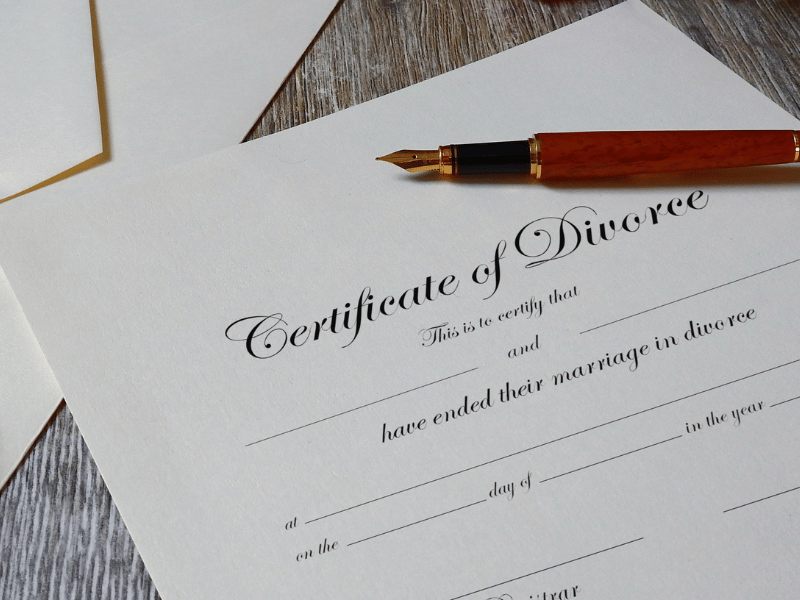
Understanding the complications in Florida divorce cases can help differentiate the selling implications during divorce proceedings in Florida. If the divorce proceedings are not completed, selling the house will make both parties decide how to split the profit from the sale.
There are also complications that may come after the divorce where one spouse may have to take over the mortgage payments on the house until the house is sold. It is important to determine all the details on the timing of the sale, who will do the sale, how the profit from the sale will be split, and how all these details will help decide if selling the house during the divorce is worth it.
For these reasons, it is valuable to get help from attorneys who know how to do these things in Florida so that both parties can be protected.
What Happens to Property in a Divorce in Florida?
Florida courts consider the property acquired during a marriage to be marital property and subject to division in divorce. In the division of property during divorce cases, Florida courts consider the length of the marriage, how much of each spouse’s contribution led to the acquisition of assets, and the individual economic situation of each spouse.
The court will order, upon divorce, an equitable division of the marital assets. This means that the spouses’ shares of the marital assets will likely differ from each other, but each will receive an equitable share of the value or effort directed to obtaining marital assets.
Home sales during divorce are difficult in Florida when there is a lack of agreement between the spouses. Cooperation is essential for the spouses when selling a house so that they can reach an agreement over how the proceeds from the sale will be divided.
It is beneficial for divorcing spouses selling their home to work with family law and real estate attorneys so they know their rights and obligations related to the home sale during a divorce in Florida.
Can I Buy a House When Separated but Not Divorced in Florida?
There are different restrictions and requirements for purchasing a property in Florida if you are separated but not divorced.
Depending on the specific circumstances, you may need approval from your spouse or possibly a court order prior to finalizing the purchase.
Keep in mind that any property purchased during the period of separation will almost always be considered marital property and subject to equitable division in the event the marriage ends.
Because of this, selling a house in Florida during a divorce can be complicated and requires being mindful of the potential legal and financial ramifications before taking any steps.
Sell A House During Divorce In FL
Helpful Florida Blog Articles
- How to Sell a House While Relocating in Florida
- How to Sell My House to a Developer in Florida
- Is It Possible to Change Homeowners Insurance After Closing in Florida
- Can I Sell Half of My House in Florida Real Estate
- Sell My Florida Home with a HELOC
- Can Medical Bills Take Your Home in Florida
- Selling a House Without a Realtor in Florida
- Divorce Home Appraisal in Florida
- Does A Seller Pay Closing Costs in Florida
- How to Sell an Investment Property in Florida
- Can You Evict a Tenant If You Sell Your House in Florida?
- How to Choose a Title Company in Florida
- Documents Required for Selling Inherited Property in Florida
- Can I Sell My House If I Filed for Chapter 13 in Florida?
- Average Time for a House to Sell in Florida

Sell A House Without A Realtor In Florida
Sell your house quickly in Florida without compromising on price! We offer the highest cash deals and stand by our offers—no renegotiations. Complete the form now to receive a fair cash offer and get cash for your house today!
| LUXURY | STOCK OPTIONS | CHILDREN | HOME MORTGAGE | REAL PROPERTY | FAIRNESS |
| COMMUNITY PROPERTY | SEPARATE PROPERTY | LIABILITY | INCOMES | DISTRIBUTION OF PROPERTY | BANK |
| STOCKS | FSBO | FOR SALE BY OWNER | EXPENDITURES | TENANTS BY THE ENTIRETIES | |
| CO-OWNERSHIP | BUYER | ORLANDO | JUDGE | INVESTOR | THE FUTURE |
| VACATION | SCENARIO | RENTAL | RENTAL INCOME | REAL ESTATE INVESTMENT | REAL ESTATE APPRAISERS |
| APPRAISALS | PROPERTY TAXES | PARENT | EDUCATION | CUSTODY | MAINTENDANCE |
| TO THE HOUSE | SELL THE HOUSE | THE HOUSE DURING | TO SELL THE HOUSE | THE HOUSE IS SOLD | SELLING THE HOUSE DURING |