

Can Medical Bills Force You to Sell Your House in Florida?
What Are the Protections Under Florida Law?
For people who live in Florida, the homestead exemption gives them strong legal security against creditors. This rule helps make sure that most people can’t sell their main home to pay off their bills. People who are having trouble paying their medical bills or other bills need to know about this rule.
Understanding the Homestead Exemption
In Florida, the homestead exemption keeps most creditors from taking your main house. This is a good way to protect your assets. Florida law says that you can’t be forced to sell your home as long as it is your main home and meets certain standards for size and location. Debtors can still put liens on other assets or buildings, but not on your house, because of this exception.
Limits on Creditors’ Actions
When creditors in Florida try to get money from real estate, they have to follow strict rules. Creditors can’t take your homestead property to pay off unsecured debts like medical bills, according to state rules. But it’s important to know about these rights because there may be times when they don’t apply.
Are There Circumstances Where You Could Lose Your Home?
Medical debt or other financial commitments can lead to foreclosure, notwithstanding the homestead exemption’s substantial protection. Understanding these legal scenarios can help you secure your house.

Conditions When a Lien Might Be Applied
Hospital debts or medical services can lien real estate under specific scenarios. A creditor’s legal claim on your property may make selling or refinancing your home difficult. Handling financial issues requires understanding these liens.
Exceptions to the Homestead Protection
Florida’s homestead exemption is broad; however, creditor rights may apply. These usually include property taxes, mortgages, and condo or HOA liens. This exemption may not cover fraudulent or government-backed loans.
At Revival Homebuyer, we tell homeowners who are in medical debt to look into all of their choices and get help from a trusted professional. Florida law protects you and gives you rights. Knowing these can help you deal with money issues more easily and give you the confidence to make decisions that will help your future finances.
Get in touch with someone to talk about your situation and learn more about your options.
How Do Hospital Liens Affect Property Ownership?
What Is the Process for a Hospital to File a Lien?
Things can be taken away from someone who doesn’t pay their hospital bills to get the money. There are several steps to this process:
- Notification of Debt: In other words, the hospital tells the landowner about the debt and its plan to take back the land. Outlined in this letter is the full amount that is due.
- Filing the Lien: The hospital sends the lien to the county office as soon as the bond is returned. It’s usually the Florida Clerk of Courts. The land can now be used by the hospital.
- Securing Payment: A strong claim can be made once the lien is in place. The land belongs to the hospital, but it can’t be sold until it is paid off.
- Legal Procedures: Some hospitals put liens on patients’ bills, which stay there until the full amount is paid or the hospital takes the lien off. People with medical bills and land in Florida need to know how this process works.

How Can Liens Impact Selling or Refinancing Your Home?
Should you want to refinance or sell your home, having a lien on the property may make it harder to buy or sell:
- Impact on Property Transactions: An attached bond on a house makes it harder to sell because the bond needs to be paid off before the house can be sold. A lot of people don’t want to buy a house that has debts attached to it.
- Refinancing Effects: If there is a lien on the house, it might be hard to sell after refinancing. Lenders may say no because the loan-to-value and stock value numbers will change.
- Equity Access and Selling Challenges: A bond lowers the value of your home because it’s paid off before the sale. We can’t use home cash for other things because of this.
Homeowners in Florida facing hospital liens should understand how these affect property transactions. For personalized advice and solutions, consider reaching out to professionals like Revival Homebuyer.
Ways to Prevent Losing Your Home Over Medical Bills
What Strategies Can Help Protect Your Property?
Medical debt can be hard to deal with, but there are things you can do to keep the debt collectors from coming to your house. These plans should help you:
- Debt Settlement: You can talk to the people who are trying to get you to pay less on your medical debt. You might be safer and save more money if you give in on a larger amount.
- Refinancing or Loan Modification: You might want to refinance your loan or add new terms to your current one. You could get extra money to pay your medical bills without putting your home at risk.
- Budgeting and Financial Planning: It’s possible that you want to change the terms of your loan or refinance it. You wouldn’t have to risk your home to get extra cash to pay your hospital bills.
- Homestead Exemption: A budget will help you keep track of the money you spend. You need to save money for when you get sick. Now your money is safe.
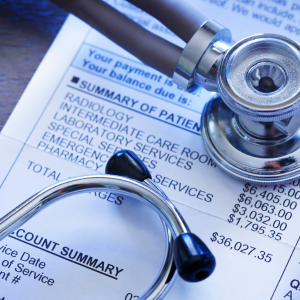
Are There Legal Resources Available for Assistance?
It can be hard to deal with medical bills. But Florida law does have some tools that can help:
- Legal Aid Services: There are many places where people who are having trouble paying their medical bills can get free or low-cost tax help. They know your rights as a bankrupt person and can help you keep your bills safe.
- Consultation with Debt Attorneys: A debt lawyer can help you by giving you information that is specific to your case. Debtor rights lawyers in Florida can help you deal with your bills and fight your collectors.
- Asset Protection Planning: If you can’t pay your medical bills, a lawyer can help you plan ways to keep your assets safe. To protect your home and your future money, you should know these steps.
If you’re worried about keeping your home despite rising medical costs, getting expert advice is wise. At Revival Homebuyer, we suggest exploring these resources to avoid unnecessary risks to your home. Consider arranging a consultation with a legal professional to better understand your rights and options.
What Are Florida’s Debt Collection Laws Related to Medical Bills?
Florida’s debt collection laws aim to protect consumers, particularly regarding medical debt. These laws help ensure fair treatment of debtors and establish rules that creditors must obey.

How Do These Laws Protect Consumers?
Debt collectors can’t bother people in Florida because of laws that protect consumers. Here are some important things to remember:
- Statute of Limitations: There is a law in Florida that says medical debt collectors can only go to court after a certain amount of time has passed. If you owe someone money in Florida, you have five years to pay them back. This is when long-term abuse can end.
- Debtor Rights: In Florida, people who buy things have rights that stop businesses from being unfair. Florida also needs to follow the Fair Debt Collection Practices Act (FDCPA). So, debt collectors can’t lie or threaten you.
- Consumer Protection: The Florida Consumer Collection Practices Act (FCCPA) works with federal rules to protect consumers. It stops people from calling customers at odd hours or giving out information about debts to other people, which protects the rights of debtors.
People in Florida who know about these rules will have a better idea of what their rights and duties are when it comes to medical debt.
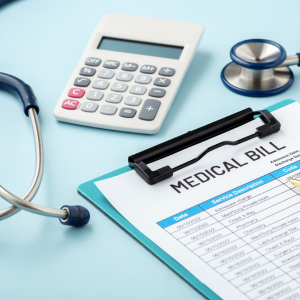
Can Creditors Garnish Wages for Unpaid Medical Bills?
Wage garnishment is a worry for those with unpaid medical bills. Florida law provides important protections against this:
- Protecting Income Streams: In Florida, creditors can seek a court order for wage garnishment for unpaid medical bills, but restrictions apply. Federal law usually limits garnishment to 25% of disposable earnings or the amount by which weekly income exceeds 30 times the federal minimum wage.
- Exemptions: Florida has a number of exemptions that keep wages from being taken away. For example, the head of household exemption can keep your wages from being garnished if you support a child more than half of the time and make less than $750 a week.
- Seeking Legal Advice: Individuals facing wage garnishment should consult a qualified attorney. This helps them understand their rights and specific protections under Florida law.
Understanding these laws helps consumers guard their income and handle medical debt effectively.
Understanding the Impact of Medical Debt on Your Credit Score

How Does Medical Debt Affect Your Financial Future?
Medical debt can make it hard to pay for things in the future. Your credit score will go down if you have medical bills that aren’t paid on your report. People with bad credit may have trouble getting loans or homes in the future. This is because their credit is now seen as risky. If you want to keep your money in order in Florida, as in other places, you need to know how to report and collect medical bills. Some people are safe in Florida because of the death penalty. If you know these rights, you can take better care of your credit report and maybe even make it better.
Are There Options for Debt Relief and Forgiveness?
If you can’t handle your medical debt, looking into ways to get out of debt can help. Getting rid of medical debt can be done in a number of ways, and each has its own pros and cons. In Florida, people who are having trouble with their money can settle their debts or combine their medical debts. Bill payment plans are another way to spread out the cost. Reading about these options and your Florida bankruptcy rights can help you deal with your medical debt better and protect your financial future.
FAQs:
Can Medical Bills Result in Losing My Home in Florida?
In Florida, your main home is protected by the homestead exemption, so it can’t be sold to pay medical debt. However, a hospital can place a lien on it for unpaid bills, which could affect selling or refinancing.
How Does Florida Law Protect Homeowners from Medical Debt?
Florida law safeguards your primary residence from creditors, even for medical bills, through the homestead exemption. While they can’t force a sale, liens may still impact future financial transactions.
Is It Possible for a Hospital to Place a Lien on My House in Florida?
Yes, a hospital can put a lien on your house for unpaid medical bills in Florida. This won’t force a sale, but the lien may need to be resolved when you sell or refinance your home.
Can Unpaid Medical Bills Go to Collections in Florida?
Yes, unpaid medical bills can go to collections in Florida. This can affect your credit score and might lead to legal action, though your primary home is protected by state law.
Does Florida Law Prohibit Surprise Billing for Emergency Situations?
Yes, Florida law stops surprise billing in emergencies. Patients won’t be charged more than what insurance covers for out-of-network care during emergencies.
Can Other States Affect How Medical Bills Impact Homeownership?
Laws vary between states. For example, New York, Illinois, and California have different rules about property and debt collection compared to Florida. It’s important to know your local laws and consult a lawyer if needed.
What Are the Implications of Medical Debt on Credit Scores and Mortgages?
Medical debt can lower your credit score, affecting your ability to get a mortgage or refinance. Setting up payment plans with healthcare providers can help manage this risk.
When Should I Consult a Lawyer Regarding Medical Debt?
Speak to a lawyer if facing foreclosure threats or legal actions due to medical debt. They can help you protect your assets, understand state laws, and consider bankruptcy options if needed.
Key Insights
- In Florida, the homestead exemption may keep medical bills from being sent to your house. In other words, your main home can’t be sold against your will.
- Florida doesn’t let unexpected bills happen in emergencies, so hospital bills won’t surprise you.
- If you don’t pay your medical bills, they could put a lien on your home and demand payment. If you don’t pay, you could lose your house.
- You can’t be forced to sell your main home in Florida to pay off medical bills or other unsecured debts. However, a hospital can put a hold on your house.
- You could lose your home if you don’t pay your hospital bills. You might be able to keep your property, though, if you file for bankruptcy.
- Talk to a lawyer to find out what protections Florida gives people against pay garnishment and other ways of getting money for debts.
- You can be sent to collections in Florida if you don’t pay your medical bills. This can hurt your credit score and make your finances worse.
- It doesn’t happen often that people lose their homes because they can’t pay their medical bills, but it’s important to know your rights and look into your debt management options.
- You can check your bills by calling your insurance company and hospitals. If you need to, you can also look into programs that give free medical care.
- A lawyer can help you with medical bills, liens, or your rights to keep your home from being foreclosed on in Florida.
These insights are relevant across Florida, including cities like Brandon, Clearwater, St. Petersburg, Tampa, and surrounding areas. For more help, Contact Us at (813) 548-3674.
More Resources To Help Sell A Florida House