

Termite damage is basically part of homeownership in Florida. Those little wood-eaters can give you a headache if you want to sell your home. That is, if you don’t handle them well.
You have choices about how to deal with this. You can fix everything before listing or sell as-is and let someone else worry about it. Each option has different timelines and costs.
This guide looks into what actually works so you can make a decision that doesn’t leave you broke or stuck with a house nobody wants.
Signs of Termite Damage in Clearwater Properties
Termites are really good at staying hidden, but they’re not perfect at it. They leave clues everywhere.
Hollow Wood and Mud Tubes
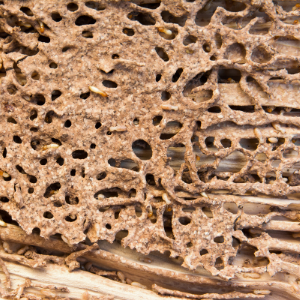
Go knock on your baseboards or door frames right now. If it sounds hollow, that’s because termites eat wood from the inside out while leaving the surface mostly intact. Sneaky little jerks.
Look at your foundation and exterior walls for these thin dirt tubes running up the side. They’re about as wide as a pencil and made of mud. Subterranean termites build them because they can’t travel through open air without drying out. So they make their own little protected tunnels from the ground straight into your house.
Termite Droppings and Wings
If you’ve got drywood termites, you’ll find frass. It looks like tiny piles of sawdust or coffee grounds near wood furniture, window frames, or trim. That’s termite poop, basically. Subterranean termites don’t leave this stuff behind, so if you’re seeing it, you’ve got the drywood variety.
Spring is the swarming season. Flying termites drop their wings after they find a good spot to infest. So if you’re seeing little piles of wings near your windows or doors, they’ve already moved in and gotten comfortable.
Structural Red Flags
Walk around your house and pay attention to how the floors feel. Spongy or sagging spots usually mean termites have been munching on the support beams underneath. Doors and windows that stick when they never used to, could be termite damage, warping the frames.
Sometimes tiles pop loose or drywall looks water-damaged when it’s actually termites behind the wall. Clearwater’s humidity doesn’t help because subterranean termites absolutely love moisture. Check everywhere you’ve got plumbing, like in your bathrooms, kitchen, and laundry room.
How Do Termites Affect Your Home’s Value
Houses with termite damage sell for about 10% to 25% less than houses without bug problems. If your house would normally sell for $300,000, you’re probably looking at losing somewhere between $30,000 and $75,000. That’s not nothing.
Minor stuff like damaged trim or cosmetic wood issues might only knock off a few thousand. But if termites got into the structural parts of your house, floor joists, support beams, and roof trusses, you’re going to take a much bigger hit. Buyers don’t like structural damage, and they should.
Active infestations are even worse for your sale. Most mortgage lenders flat-out refuse to approve loans on houses with active termites until you can prove you treated the problem and fixed the damage. That cuts out most of your buyer pool right there.
You’re basically limited to cash buyers or someone willing to deal with a ton of extra paperwork and inspections.
Old termite damage that’s already been fixed and documented is not nearly as bad. Buyers in Florida kind of expect some termite history. It’s part of living here. They just want to see that you took care of it properly and aren’t trying to pull a fast one.
The worst thing you can do is try to hide the damage. Inspections will find it anyway. And once buyers catch you lying, they’re going to assume you’re hiding other problems, too. The whole deal falls apart at that point.
Do You Have to Fix Termite Damage Before Selling a House in Clearwater, FL?
No, you don’t have to fix termite damage before selling a house in Clearwater, Florida, if you don’t want to. You can sell your house with termite damage still there.
But you do have to tell buyers about it. Just like any other state, Florida law requires you to disclose any known defects that affect your home’s value or safety. Termite damage definitely counts.
If you try to hide it and buyers later find out, they can sue you. And they’ll win. The courts are very serious about non-disclosure cases. Sellers who get caught hiding damage usually end up paying for repairs, legal fees, and, sometimes, even punitive damages.
So yes, selling with damage is totally legal as long as you’re honest about it upfront. You fill out the seller’s disclosure form and check the box that says yes, there’s been termite activity.
Buyers will find out during inspections anyway. Every decent buyer hires an inspector. Termite damage shows up all the time when someone’s actually looking for it. There’s really no point in playing dumb or hoping nobody notices.
Do You Need to Get a Professional Termite Inspection
Most buyers in Clearwater, Florida, won’t even look at your house without a termite inspection, especially if they’re getting a mortgage. Lenders almost always require termite inspections before approving a loan.
Getting your own termite inspection before listing your Clearwater, FL, home is a good choice. You’ll know exactly what’s wrong instead of getting surprised by whatever a buyer’s inspector finds.
Plus, you can decide how to handle it on your own terms, rather than stressing about responding to buyer demands three weeks into negotiations. That’s when buyers have the most leverage, by the way. They can walk away or demand huge concessions because you’re already invested in the deal.
Inspections in Clearwater cost about $75 to $150. The inspector checks for active termites, past damage, and conditions that are likely to cause future problems.
You get a report that lays out what they found and what needs fixing. Some inspectors will give you treatment quotes on the spot, which helps if you’re trying to figure out costs.
If you’re planning to sell as-is, that report will be part of your disclosure package. If you’re planning to fix things first, at least you’ll know exactly what needs attention instead of guessing.
Your Options for Selling a Termite-Damaged Home
In Clearwater, Florida, you have two main options when selling termite-damaged homes and they’re quite different from each other.
Option 1: Complete Termite Remediation Before Listing
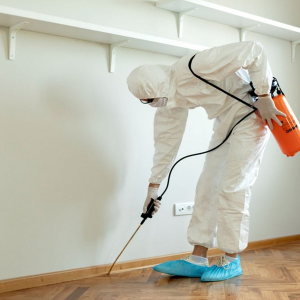
This is when you fix everything first. You’re trying to sell your house like it never had termites in the first place.
First, you hire a licensed pest control company to treat the infestation. They’ll use liquid termiticides, bait stations, or fumigation, depending on the type of termites you’ve got and how severe the problem is. It usually takes a few days to a few weeks, depending on the method.
After the termites are dead, you bring in contractors to repair the damage. This can be expensive. Minor cosmetic repairs might only run a few hundred bucks. However, structural repairs can easily cost $5,000 to $15,000 or more if the damage is extensive.
Once repairs are complete, you receive a clearance letter from the pest control company confirming that the termites are gone. You also get receipts and documentation for all the repair work. Buyers and their lenders will want to see this stuff.
Then you list your house. At this point, you’re competing with other homes that don’t have a termite history.
Some buyers won’t care since everything’s fixed, but others will still be nervous and might offer less than comparable homes without bug problems.
Pros and Cons of Full Termite Repairs
Fixing everything before you list has its advantages, but it’s not always the best move. Here’s what you’re looking at.
Pros:
- Way bigger buyer pool since most lenders won’t approve loans on houses with active termites.
- You control repair quality rather than wondering what buyers will do.
- The house shows better and competes with non-damaged homes.
- Less negotiation since everything’s already fixed.
Cons:
- You’re paying thousands upfront with no guarantee you’ll get it back
- Repairs take time, sometimes months if the damage is bad
- Buyers might still lowball you because of the termite history
- Cash out of pocket before you see any sale proceeds
Cost
Termite treatment in Clearwater costs between $500 and $3,000 for most houses. Spot treatments cost less, around $200 to $500. Meanwhile, whole-house fumigation for drywood termites is around $2,000 to $3,000 or more.
Repairs depend entirely on the extent of the damage. Replacing trim or baseboards might only cost a few hundred dollars if you do it yourself or $1,000 to $2,000 with a contractor.
Structural repairs are different. Those floor joists, support beams, and subflooring cost $5,000 to $15,000 territory. Those really bad foundations or roof damage can push past $20,000. If you add in inspections at $75 to $150 each, you’re looking at anywhere from $1,000 total on the cheap end to $25,000 or more if the damage is extensive.
How Repairs Impact Market Value
Dropping $10,000 on termite treatment and repairs doesn’t mean you get an extra $10,000 when you sell.
Repairs mostly just stop you from losing even more value. A house with termite damage might sell for 15% to 20% less than it should.
If you fix everything, you might only lose 5% to 10% because some buyers will still be weird about the termite history. You’re not getting back every dollar you spent.
Structural repairs help way more than cosmetic stuff. Buyers lose their minds over damaged floor joists or support beams. Nobody cares that much for new baseboards.
You need to keep every single receipt and inspection report, though. Buyers want proof that the work was legit and the termites are actually gone. Good paperwork makes them less nervous and less nervous buyers pay closer to the asking price.
Option 2: Selling As-Is Without Making Repairs
You don’t fix anything if you go this route. You just disclose the damage and price it lower. Then, you sell to someone who doesn’t mind handling repairs themselves.
What Selling As-Is Means in Florida
Selling as-is just means you’re not making any repairs before closing. The house sells in whatever condition it’s in right now.
However, as-is doesn’t mean you can lie about problems. You still have to fill out disclosure forms and tell buyers about any issues you know about. Florida law doesn’t care if you’re selling as-is. You’re still legally required to be very honest about defects.
Buyers can still get inspections. They can still back out if they find something they don’t like. As-is just means you’re not agreeing to fix anything they find.
If they want the house, they take it with all its problems. If they don’t like what the inspection shows, they can walk away or ask for a price reduction instead of repairs.
Most as-is sales close faster because there’s no repair negotiation period. You agree on a price that already factors in the problems and you move straight to closing.
This has way less back-and-forth than traditional sales, where everyone argues over who pays to fix what.
Who Buys Termite-Damaged Homes As-Is
Cash buyers are your main buyers. These are real estate investors, house flippers, and people who buy properties to fix up and rent out. They’re not scared of termite damage because they deal with it all the time.
Usually, these buyers have their own contractors and can fix problems cheaper than you can. They build repair costs into their offer, so yes, you’re getting less money. But they also close fast, sometimes in a week or two. They ask for financing contingencies or lender inspections.
Some individual buyers will consider as-is homes, too, especially if they’re handy or they’re looking for a fixer-upper. Cash buyers in this category are usually looking for a deal and don’t mind putting in sweat equity. They’re less common than investors, but they’re out there.
iBuyers and cash-buying companies are other options. They’ll make you an offer based on your home’s condition, usually within a day or two.
The offer is typically lower than market value, sometimes significantly so. But the process is fast and you don’t deal with showings or open houses or any of that stuff.
Steps for Selling a House with Termite Damage in Clearwater, FL
If you’ve got termites in your home, here’s how to get your termite-damaged house sold fast.
Step 1: Get a Professional Termite Inspection
Book the inspection before you even think about listing. You want to know what you’re dealing with before buyers start poking around and finding things you didn’t know about.
The inspector inspects your entire house for active termites, past damage, and conditions that could lead to future problems. They’ll check crawl spaces, attics, basements, and any other areas where termites like to hang out.
A few days later, you get a detailed report that breaks down what they found, where they found it, and how serious it is. This report is very important because it answers all the questions buyers will ask anyway.
You hand it over with your disclosure forms. They’ll think of you as a transparent seller who has their act together instead of the sketchy person trying to hide problems.
Step 2: Decide Between Repairs or Selling As-Is
Now you’ve got to make the big call. Take your inspection report and get some repair quotes from contractors. Compare those numbers to what your house might sell for in different scenarios.
Say repairs cost $8,000 and your house would normally sell for $320,000. With unfixed damage, you might only get $270,000. After repairs, you might get $305,000 because of the termite stigma. So you’d spend $8,000 to make an extra $35,000. That math works.
But if repairs cost $18,000 and you’d only gain $20,000 in sale price, you’re barely breaking even and tying up months waiting for contractors. Selling as-is becomes the better option.
How fast you need to sell also matters. If you need to sell in three weeks, repairs probably won’t happen.
Step 3: Prepare Your Disclosure Documents
In Florida, you need to fill out a seller’s disclosure form that asks directly about termite damage and pest problems. Check “Yes” and attach your inspection report. You need to include any treatment or repair documentation you’ve got.
Some sellers get nervous about being this honest because they think it’ll scare everyone away. But hiding damage is way worse. Buyers do inspections anyway. When they catch you lying, the whole deal can fall apart.
Plus, you open yourself up to lawsuits after closing. Just tell them upfront what’s going on. The buyers who stick around are serious and they’ve already factored the termite issue into their thinking.
Step 4: Price Your Home Appropriately
It’s a bit difficult to price a termite-infested home because you’re balancing market value against damage, against how desperate you are to sell.
If you fixed everything, you can price maybe 5% to 10% below comparable homes to account for the history. If you’re selling as-is, you need to drop the price enough that buyers can afford repairs and still feel they got a deal.
You need to pull up recent sales in your Clearwater neighborhood for houses around your size and age. See what they went for. Then assess where your house falls.
Minor termite damage might mean dropping $15,000 to $30,000 off that number. Major structural damage could mean $50,000 to $80,000 off.
It’s overwhelming to see those numbers, for sure, but overpricing just means your house sits on the market forever while buyers pass it up for cleaner options.
Step 5: Choose Your Selling Method
Traditional listing with a real estate agent gets your house in front of the most buyers; however, you need to pay 5% to 6% commission and the process takes months.
For Sale By Owner saves that commission, but you’re handling everything. That includes showings, negotiations, paperwork, and more.
Selling directly to a cash buyer or investor lets you avoid all the waiting and issues. They make an offer, usually within a couple of days. The number is lower than retail (sometimes significantly lower), but you close in two weeks and you’re done.
For a lot of people dealing with termite damage, that certainty weighs more than getting top dollar.
How Cash Offers Work for Homes with Termite History

Cash buyers don’t care about termites the way traditional buyers do. They’re not freaking out about whether their lender will approve the loan or if the house will pass inspection. They’ve got the money sitting in the bank, so they can buy whatever they want.
Here’s what the process usually looks like:
- Fast offers: You reach out with your address and basic info about the termite situation. They either come look at the property or make an offer based on what you told them. You’ll have a number in 24 to 48 hours, sometimes faster.
- Lower price, zero repairs: The offer comes in below market value because they’re factoring in treatment costs, repair expenses, and their profit margin. But you don’t spend a dime fixing termite damage or dealing with pest control companies.
- Quick closing: There are no financing contingencies or deals falling through because a lender won’t approve a termite-damaged house. You accept the offer and sign paperwork. Then, you close in one to two weeks, sometimes faster if you’re in a hurry.
- No hassle: You skip showings, staging, open houses, and answering questions from nervous buyers who might bail anyway. The house sells exactly as it sits, termites and all.
Some cash buyers flip houses. Others rent them out. A few are just individuals with money who don’t want to mess with mortgages. Doesn’t really matter as long as they’ve got proof of funds and can actually close.
Cash offers solve the entire problem in one move for sellers facing serious termite damage who can’t afford repairs.
Frequently Asked Questions
Can I Sell My House in Florida with Termite Damage?
Yes, you can sell a house with termite damage in any condition. You don’t need to fix it before selling. You just have to disclose it to buyers so they know what they’re getting into. Many Florida residents sell termite-damaged homes each year.
How Much Does Termite Damage Devalue a Home in Clearwater?
Usually, somewhere between 10% to 25,% depending on how bad it is. A $300,000 house might only sell for $225,000 to $270,000 if the damage is serious. Minor cosmetic damage won’t hit you as hard, maybe just 5% to 10%. Structural damage tanks your value way more because buyers know those repairs are expensive.
What Happens If You Don’t Disclose Termite History?
You get sued and you lose if you don’t disclose termite history. In Florida, it’s required to disclose known defects. If you hide termite damage and buyers find out after closing, they can sue you for non-disclosure. You’ll end up paying for their repairs, their legal fees, and possibly damages on top of that. It’s not worth it. Just tell them upfront.
How Long Does Termite Remediation Take?
Treatment itself usually takes anywhere from a few hours to a few days, depending on the method. Liquid treatments are fast, while fumigation takes longer because you have to seal the house and wait for the chemicals to do their thing.
After treatment, you need to wait for follow-up inspections to confirm the termites are actually gone. Repairs can take weeks or months, depending on how extensive the damage is.
Will Traditional Buyers Make Offers on Termite-Damaged Homes?
Some traditional buyers will make an offer on your termite-damaged property, while some won’t. It depends on the extent of the damage and whether they’re using financing. Most lenders won’t approve loans for houses with active termites or major structural damage until you fix it. So if you’re selling as-is with serious problems, you’re mostly limited to cash buyers. But if you’ve already treated and repaired everything, traditional buyers will consider your house. They just might offer a bit less because of the history.
Key Takeaways: Selling a House with Termite Damage in Clearwater, FL
As we’ve shared in this guide, you have two options when selling a termite-damaged house in Clearwater: fix everything first and try to get closer to market value or sell as-is for less but way faster. Neither option is automatically better. It depends on your timeline and your budget. There’s also the factor of how bad the damage actually is. Just don’t hide the termite history or try to lowball your asking price so much that buyers think something’s sketchy.
If you’re looking for a hassle-free sale without paying for termite treatment, Revival Homebuyer buys houses as-is in Clearwater. We also buy houses fast for cash in nearby St. Petersburg. Contact us at (813) 548-3674 or fill out the form below, and let’s talk about your options.
Helpful Clearwater Blog Articles