

Termites cause more damage to homes in the U.S. every year than fires, floods, and storms combined. And in Florida, where it’s warm and basically paradise for a colony of wood-munching insects, that number is way higher than anywhere else. Riverview homeowners are not exempt from this, not even close.
When selling, a termite bond is not required by Florida law, but how buyers and lenders respond to it can significantly affect your sale. So yes, it’s worth understanding before you list. Check out this guide to learn more.
What Is a Termite Bond?
A termite bond is essentially a contract between a homeowner and a licensed pest control company. After the company treats your home for termites, they issue a bond that keeps them responsible for what happens next.
It’s not a one-time deal; it’s an ongoing agreement you renew annually to keep the protection active.
The bond remains in effect for as long as the termiticide remains effective, which is typically several years. Once it breaks down past a certain point, the pest control company comes back out. They re-treat the property and issue a new bond.
It keeps your home covered without you having to start from scratch every time.
Something worth noting is that a termite bond is not the same as just getting a treatment. A treatment handles the current problem. A bond is the commitment that keeps a professional in your corner long after that first visit.
Retreat Bond vs. Damage Repair Bond
There are two kinds of termite bonds and they cover very different things.
A retreat bond means the company will return and retreat your home at no extra charge if termites return after the initial treatment.
It keeps your costs down if there’s a recurrence, but the coverage stops there. They treat it and that’s the end of their obligation.
A damage repair bond is the bigger option. In addition to re-treating, the company also covers the cost of repairing any structural damage caused by termites after the treatment date.
Most of these bonds come with a dollar cap. That’s anywhere from a few thousand to over a million, depending on the company and policy.
For sellers, the damage repair bond carries more weight. Buyers feel more secure and some lenders have historically favored it. It signals that the property has been well-maintained, much like addressing other major home issues—such as septic systems—can also reassure buyers. For a full guide, see Selling a House With Septic Tank Problems in Riverview, FL: The Full Picture.
Do I Need a Termite Bond to Sell My House in Riverview, FL?
Technically, no. Florida law does not require you to have an active termite bond to sell your home. You can list, negotiate, and close without one. That’s totally legal, no issues.
That said, the moment termites come up during an inspection (and in Riverview, they often do), buyers start asking questions. The first one is almost always whether there’s a bond on the property.
A home with an active termite bond just feels like less of a gamble to a buyer. It tells them someone’s been on top of it and that there’s professional coverage in place. They mean they’re not about to inherit a five-figure repair bill.
A home without one isn’t automatically dead in the water, but it does invite more back-and-forth, more skepticism. You may also get a lower offer because of it.
Can You Sell a House Without a Termite Bond in Riverview, FL

Yes, you can sell a house without a termite bond in Riverview, Florida. A missing termite bond is not the end of the world.
What it does do is put a little more pressure on you during negotiations. Some buyers will ask for a price cut to cover the cost of getting treatment and a bond done themselves. Meanwhile, some people will ask you to take care of it before closing.
And some, particularly cash buyers not dealing with lender requirements, won’t even bring it up. This is especially common when working with experienced cash home buyers in Temple Terrace and surrounding areas who purchase properties as-is without requiring termite bonds.
A clean inspection report helps a lot. If there’s no active infestation and no prior damage, the lack of a bond is a much easier conversation.
But if there’s any termite history on the property, even something that was treated and fully resolved years ago, buyers would want paperwork, proof, or some kind of protection. That’s just Florida. Termites are common enough here that buyers don’t take chances.
At the end of the day, a termite bond is about giving the buyer confidence that the home has been looked after. Without it, you’re essentially asking them to trust you on that. Not everyone will.
When Do Lenders and Buyers Ask for a Termite Bond
Termite bonds do not come up in every single sale. However, when you’re in the middle of negotiations and an inspection report lands on the table, the termite bond almost always shows up. Here’s when you should expect it.
FHA and VA Loan Requirements
If your buyer is financing with an FHA or VA loan, the lender requires a wood-destroying insect inspection with no wiggle room.
These loan types are strict about property conditions and termites are very much on their radar. If that inspection comes back with any findings, you’re not just dealing with a nervous buyer anymore; the lender gets involved, too.
And when lenders get involved, things slow down. They’re going to want proof of treatment and an active bond before they sign off on anything.
Get ahead of it and it’s fine. But if you get caught off guard, it can hold up your entire closing.
Conventional Loan Lenders
Conventional lenders are more relaxed about it, but don’t take that as a free pass.
If an inspection uncovers termite activity or undisclosed damage, many lenders will pump the brakes and ask for documentation before moving forward.
It depends on the lender and the significance of the findings, but the safest assumption is that any termite-related discovery will prompt some kind of follow-up. A bond is usually what puts it to rest.
What Does a Termite Warranty Cover
A termite warranty and a termite bond get mixed up constantly, even by people who’ve sold homes before.
Quick clarification: the bond is the overall agreement between you and the pest control company. The warranty is the part that spells out exactly what they’re on the hook for if termites show up again. What that covers really varies, so it’s worth knowing before you hand that paperwork to a buyer.
Retreatment Warranty
This is the one most homeowners have and it does what it sounds like.
If termites come back after the initial treatment, the company returns and retreats the property at no extra cost to you. It’s the more affordable option and a solid safety net for most homes.
Not the flashiest thing to present to a buyer, but in a lot of straightforward sales, it’s more than enough to keep things moving.
Repair Warranty
This one costs more, sometimes double the price of a retreatment warranty, but it covers a whole lot more ground.
In addition to retreatment, the pest control company assumes financial responsibility for repairing any structural damage caused by termites after the treatment date, up to the dollar cap set in the policy.
Buyers respond differently when this is on the table. It tells them that actual money is backing the protection, not just a promise to come back and spray again.
If your home has any termite history, this is the warranty worth having.
What a Termite Warranty Typically Does Not Cover
This part catches homeowners off guard more than anything else, so it’s worth paying attention to.
Most warranties will not cover damage that existed before the treatment. Pre-existing damage is almost always excluded. That means if there’s a history of termite damage in your home, the warranty won’t erase it.
Those cosmetic damage, certain wood types, and anything caused by moisture, rot, or other pests typically fall outside the coverage, too.
Every policy reads a little differently, so going through it before you present it to a buyer is worth the twenty minutes it takes.
What Happens If There’s a Termite Infestation Before You Sell
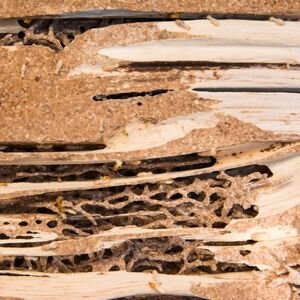
First of all, don’t panic. It’s not an automatic dealbreaker.
What it does mean is that you need to deal with it before it deals with you. Listing a home with an active termite infestation and hoping no one notices is not a strategy. Inspectors find these things, and when they do, the fallout is a lot harder than if you’d just handled it upfront.
The best strategy is to get a licensed pest control company in before you list. They’ll assess the extent of the infestation and recommend a treatment plan. Once the treatment is done, they’ll issue a bond on the property.
That bond then becomes something you can actually hand to a buyer as proof that the problem was found, treated, and covered.
Buyers are far more forgiving about a past infestation that was properly handled than about discovering one mid-sale. One feels like a responsible homeowner. The other feels like a cover-up, so deals fall apart.
Florida also has disclosure laws that require sellers to disclose known issues with the property. A termite infestation you knew about and didn’t mention is a legal problem, not just a negotiation one. Disclose, treat, and bond, in that order.
How to Sell a Home in Riverview, FL Without a Termite Bond
It’s totally fine if you’ve decided to move forward without a termite bond. Just go in knowing what to expect. And if you’d rather skip inspections, treatments, and back-and-forth negotiations altogether, here’s how Revival Homebuyer buys homes as-is in Riverview.
Disclosures and Termite Treatment History
If your home has had termite activity in the past, even if it was treated years ago, you’re required to disclose it. A lot of sellers get nervous about this part, worried that mentioning termites will send buyers running. But a disclosed and treated infestation with documentation is genuinely not that scary to most buyers.
What scares them is finding out about it on their own during the inspection. That’s when trust breaks down. Your buyers will also start looking for the exit.
Being upfront about the history, showing proof of treatment, and explaining what was done goes a long way toward keeping the sale on track.
How It Can Affect Your Sale Price
Selling without a bond doesn’t automatically mean selling for less, but it can, depending on the buyer and the situation.
If your home has a clean inspection report and zero termite history, most buyers won’t push back hard on the missing bond. Probably a small ask during negotiations, or nothing at all.
But if there’s any termite history involved, treated or not, you should expect buyers to factor in the cost of getting a bond themselves. That usually comes off your asking price as a repair credit or a straight-up lower offer.
The absence of a bond essentially hands the buyer a reason to negotiate. Some will use it aggressively, while others won’t touch it. But going in aware of that dynamic means you won’t be caught off guard when the offers come in.
How Much Do Termite Bonds Cost in Florida?
This is usually the first question people ask once they decide they actually want one. And the answer is, it depends, but it’s probably not as scary as you’re expecting.
Here’s a general breakdown of what you’re looking at:
| Cost Item | Typical Price Range |
| Initial Treatment + Bond (Year 1) | $700 to $1,000 |
| Annual Renewal Fee | $150 to $300/year |
| Retreatment Warranty (ongoing) | $150 to $250/year |
| Damage Repair Warranty (ongoing) | $250 to $500/year |
| Re-treatment if the bond lapses | $500 to $1,000+ |
These are ballpark numbers for an average-sized home in Florida. Larger properties, older homes, and areas with higher termite pressure, Riverview included, can push costs up a bit.
The damage repair bond costs more than a basic retreatment bond, sometimes double. But it’s a reasonable investment once you stack it up against the potential cost of actual termite repairs, which can easily run into tens of thousands of dollars.
Worth shopping around before you commit, too. Prices vary between pest control companies. Getting two or three quotes takes maybe an afternoon and could save you a few hundred dollars.
Steps to Get a Termite Bond for the Property Before You List
Getting a termite bond sorted before you list is one of those things that just makes the whole selling process smoother. Here’s exactly how it goes.
Step 1: Schedule a Wood-Destroying Insect Inspection
This is where everything starts and you really don’t want to go around it.
A licensed pest control company comes out and conducts a thorough inspection of your home, inside and out, including crawl spaces. They will look for any evidence of termites or other wood-destroying insects, active or past.
The whole thing usually takes a couple of hours. Don’t assume you already know the situation either. Termites are sneaky and inspectors find things homeowners genuinely never noticed.
Step 2: Review the Inspection Report
Once you get the reports, go sit down and read them.
It’ll either come back clean, which makes everything easier, or it’ll flag findings that need to be addressed before a bond gets issued.
Either way, knowing exactly what you’re working with is so much better than finding out mid-sale when a buyer’s agent is breathing down your neck.
Step 3: Get Termite Treatment Done If Needed
If the inspection turns something up, treatment is the next step, and there’s really no getting around it.
The pest control company will walk you through your options and recommend a treatment plan based on their findings. Once treatment is done, the property is ready for a bond.
Don’t drag your feet. Treatment timelines can mess with your listing schedule if you keep pushing them off.
Step 4: Choose Between a Retreatment or Repair Termite Warranty
This is the decision that determines what your bond actually does for you.
A retreatment warranty is more affordable and covers re-treatment if termites come back. A repair warranty costs more but covers structural termite damage after the treatment date.
If your home has any termite history, the repair warranty is worth the extra cost. Buyers notice the difference and it genuinely affects how they feel about the property.
Step 5: Get the Bond Issued and Keep Your Paperwork Ready
Once treatment is done and you’ve picked your warranty type, the pest control company issues the bond.
Keep every single document, including the inspection report, treatment records, bond paperwork, and warranty details. Buyers will ask for this stuff.
Lenders might ask for it, too. Having everything organized and ready to hand over makes you look like the most on top of it seller they’ve dealt with all year. That kind of confidence is genuinely contagious during a sale.
Is a Termite Bond Transferable to the New Buyer
Good news if you already have an active bond! Yes, termite bonds can typically be transferred to the new buyer and it’s actually a great selling point.
It tells the buyer they’re not starting from scratch on termite protection the moment they get the keys. The coverage just continues right where you left off, which buyers genuinely appreciate.
The process usually involves notifying the pest control company, completing some paperwork, and paying a transfer fee that typically runs $100 to $200. Not a big deal at all.
Just don’t assume it’s automatic, though. Some companies require a fresh inspection before approving the transfer. If the bond has lapsed, they might ask for a new treatment before reissuing it under the buyer’s name.
Call your pest control company early in the selling process. Ask what the transfer looks like and get it sorted before it becomes a last-minute scramble at closing.
How to Sell a House Without a Termite Bond
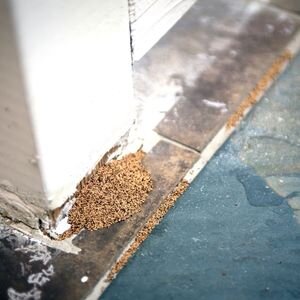
No termite bond and still want to sell? You just need to go in with a plan.
Step 1: Be Upfront About the Property’s Termite History
If your home has a history of termite infestations, disclose it.
Florida’s disclosure laws are not something to mess around with. Buyers have the right to know about known issues with the property, and termite history counts as one.
A lot of sellers panic at the thought of mentioning termites, but a disclosed and documented history is genuinely not the red flag most people think it is.
What actually kills deals is buyers finding out on their own. That’s when trust evaporates.
Step 2: Get a Wood-Destroying Insect Inspection Done Anyway
Even without a bond, getting a professional inspection done before you list is a genuinely smart move.
A clean inspection report is powerful. It tells buyers the property was checked by a professional and came back clear. This goes a long way toward easing the concern that comes with not having a bond.
And if something does turn up, you’d rather know now than have a buyer’s inspector find it mid-sale.
Step 3: Address Any Active Termite Infestation Before Listing
If there’s an active infestation, deal with it before you put the home on the market.
Listing with a known infestation is the kind of thing that sends buyers running and gives lenders a hard no. Getting treatment done first, even without following it up with a bond, puts you in a much stronger position.
You can show buyers proof of treatment and documentation of what was found. You can also give them evidence that it was handled properly.
Step 4: Price the Home Accordingly
If you’re skipping the bond, the price needs to reflect that reality. Many sellers who don’t want to adjust their price or negotiate heavily choose to work with companies that we buy houses in Riverview as-is, especially when termite concerns are involved.
Buyers are going to factor in the cost of getting treatment and a bond done themselves, usually somewhere around $700 to $1,000. Coming in at a competitive price upfront is a lot smoother than holding firm and then getting lowballed during negotiations.
Step 5: Be Ready to Negotiate With Buyers
Some buyers won’t care about the missing bond at all. But others will use it as leverage and that’s fair.Go into negotiations knowing that a repair credit or a small price adjustment might be on the table. It’s not a disaster; it’s just part of selling a home without that extra layer of protection.
Know your bottom line before offers start coming in and you’ll be fine.
Alternative Termite Prevention Methods
A termite bond is not the only way to protect a property from termites. There are other options worth knowing, whether you’re waiting on a bond or just want extra coverage on top of one.
Liquid Termiticide Soil Treatments
This is one of the most common professional treatments out there.
A pest control company applies liquid termiticide around the perimeter of the home. This will create a chemical barrier in the soil that termites can’t cross without getting exposed to it.
It’s effective and it lasts several years. It’s usually one of the first things a company recommends for homes with high termite pressure.
It doesn’t come with the ongoing warranty that a bond does, but as a standalone treatment, it does a good job of keeping termites out.
Termite Bait Stations
Usually, bait stations are installed at regular intervals around the property and monitored according to a schedule.
Termites find the bait, take it back to the colony, and the colony gets wiped out from the inside. It’s a slower process than a liquid treatment, but really effective for long-term colony control.
Many pest control companies offer bait-station monitoring as part of their bond programs, so the two often go hand in hand.
Borate Wood Treatments
This one is especially useful during construction or renovation.
Borate is applied directly to wood surfaces and gets absorbed into the material. Termites that try to eat treated wood are exposed to the borate and don’t survive.
It’s a great preventive layer for exposed wood in crawl spaces, attics, and framing, though it works best as a complement to other treatments rather than a standalone solution.
Physical and Environmental Prevention
Sometimes, the most effective termite prevention is just removing what attracts them in the first place.
Keep soil and mulch from making direct contact with your home’s wood framing. Fix any moisture issues, leaky pipes, or poor drainage around the foundation since termites love damp conditions.
You should also store firewood away from the house and regularly clear debris, dead wood, and leaf buildup from around the property.
None of these replaces a professional treatment or bond, but they make your home a significantly less attractive target and genuinely reduce the risk over time.
Key Takeaways: Do I Need a Termite Bond to Sell My House in Riverview, FL?
A termite bond is not legally required to sell your house in Riverview, FL, but it affects how buyers and lenders respond to your property. Having one in place makes the sale smoother and gives buyers confidence. It removes a lot of the friction that tends to slow things down.
Without one, you can still sell, but expect more negotiation and more questions. You may also get a potentially lower offer from buyers who want to factor in the cost of getting protection themselves.
If termites have been a headache and you just want to sell without dealing with treatments, bonds, and all the back-and-forth that comes with a traditional sale, Revival Homebuyer buys homes as-is in Riverview, FL. You can reach out to Revival Homebuyer today or fill out our quick contact form below to find out what your home is worth. We buy homes as-is in Riverview, FL, with no bond requirements. Reach us at (813) 548-3674 or fill out the form below to find out what your home is worth.
Helpful Riverview Blog Articles