

There are so many legal requirements that most people don’t think about when inheriting a property in Clearwater, Florida. Florida’s inheritance laws state who can authorize a sale when ownership is split between multiple people.
The unanimous consent requirement confuses many families, but it’s not set in stone for every situation. Courts can override it and executors sometimes have special authority. Want to learn more? Check out this whole blog!
Clearwater, FL Rules for Selling Property with Multiple Heirs
In Florida, inherited property is treated as a shared asset unless the will says otherwise. When you inherit with other people, you’re all “tenants in common,” which means everyone owns a piece of the whole thing.
You can’t sell your portion of the kitchen while your sister keeps the bedroom. The entire property sells as one unit or doesn’t sell at all.
Clearwater follows state law but also adds its own local headaches. If you have code violations, you should fix them before closing. If your property is in a flood zone, that’s extra paperwork. For historic districts, there are even more forms to sign.
The market in this area runs on beach vibes and retirees looking for their forever home. Summer actually brings more buyers than winter, which is weird for Florida, but it matters when you’re trying to time your sale.
Do Heirs Have to Agree to Sell Inherited Property in Clearwater, FL?

Yes, you need everyone to say yes before selling inherited property in Clearwater. Florida law requires all owners to approve the sale when multiple people own the same property.
Doesn’t matter if you inherited 70% and your cousin got 30%. You both get equal voting power on whether to sell.
Written consent is non-negotiable. A “sounds good, bro” text ain’t enough. Title companies want real signatures on real documents before they’ll process anything.
This setup protects people from getting pressured into sales they don’t want. But it also means one stubborn heir can block the whole thing. Florida won’t help you skip past them just because they’re being difficult.
When Do Heirs Not Have to Agree to Sell
The unanimous consent rule has some legitimate exceptions that can get you out of it. Courts have the power to force a sale even when heirs disagree. Executors can sometimes sell property without asking anyone’s permission. Also, specific language in a will can override the standard requirements entirely.
Court-Ordered Sales Through Partition
Partition actions are Florida’s legal solution when heirs can’t agree on what to do with inherited property.
You file a lawsuit asking the court to either divide the property physically or force a sale and split the proceeds among all owners based on their ownership percentages.
Most courts go with the sale option. This is because physically dividing a house doesn’t really work unless you’re dealing with a large piece of land that can actually be split into separate parcels.
Executor Authority During Probate
Executors have significant power while the estate is still in probate court.
If the will gives them the authority to sell property to pay off debts or distribute assets, they can list and sell the Clearwater house without first getting approval from the heirs.
This authority usually expires upon the closure of probate and the property’s official transfer to the heirs. However, during probate, the executor calls the shots as long as they follow the will’s instructions and act in the estate’s best interests.
When Does the Will Grant Specific Selling Rights?
Some wills include language that gives one heir or the executor the right to sell property without the unanimous consent of the other heirs.
The deceased person might have seen family issues coming from a mile away and decided to give someone they trusted the final say on property decisions.
If the will specifically states that one person can authorize the sale, then that’s what happens. The other heirs don’t get veto power even if they hate the idea.
What If All Heirs Don’t Agree to Sell the Property in Clearwater, FL?
When heirs disagree about selling, you can do three things. You can try to negotiate a buyout in which the heirs who want to keep the property buy out those who want to sell. You can also file for partition and let the court handle it, or just sit on the property and hope everyone changes their mind eventually.
That last option usually doesn’t work out great because property taxes and maintenance still accumulate while the house sits there empty. Tensions between family members also tend to get worse over time instead of better.
How Probate Court Affects the Sale
Probate court runs the show until the estate is settled and the property is officially transferred to the heirs.
While everything’s still in probate, the executor makes the calls about selling. They don’t really need to ask your permission, even though you’re named as an heir.
The court does have to sign off on the sale price and terms, though, just to make sure the executor isn’t making terrible decisions that hurt the estate or the heirs. This slows things down a bit because you can’t just take the first offer. The judge needs to review everything first.
Once probate wraps up and the deed transfers to the heirs, that’s when unanimous consent becomes your problem. The executor’s power ends right there. All the heirs own the property together, which means everyone gets a vote on selling.
Step-by-Step Guide to Selling Inherited Property with Multiple Heirs
Selling with multiple heirs requires much more coordination than a typical sale. Here are the steps to keep everyone in the loop and avoid issues.
Step 1: Determine Ownership Structure
Before anything else, you need to figure out who owns what percentage and how the ownership actually works. Get the deed to see if you’re tenants in common or something else and make sure probate is completely finished before you do anything.
Don’t avoid this part because ownership structures come with different rules. If one heir got a life estate or there’s some weird trust arrangement, that changes everything about how you can sell and who needs to approve it.
Step 2: Communicate with All Heirs
Get everyone together, whether that’s in person or on a video call. Talk through the whole selling plan. Work out the asking price and when you want to sell. Also, talk about who’s dealing with the realtor and showings, so no one’s left behind.
This conversation needs to happen early, before anyone lists the property or starts making promises to buyers.
You want to hash out disagreements now, not three weeks into a listing when someone suddenly decides they don’t want to sell anymore.
Step 3: Get the Property Appraised
Bring in a licensed appraiser to put a real number on the Clearwater property’s value. This stops arguments about pricing before they start and gives everyone actual data instead of just guessing based on Zillow estimates.
The appraisal also helps when you’re negotiating with potential buyers, since you’ve got professional backing for your asking price. It’s way easier to justify your number when you can point to an official appraisal rather than just saying it feels like it’s worth that much.
Step 4: Obtain Required Consent
Next, get signatures from every heir on paper before you list anything. Use a real agreement that covers the sale terms and how you’re splitting the money. It should also mention who in the whole group gets to sign off on stuff during closing.
This document protects everyone and makes sure there’s no confusion later about who agreed to what. Title companies won’t move forward without proof that all heirs are on board, so you might as well get this locked down early.
Step 5: Prepare the Property for Sale
Fix what’s broken and clear out all the old stuff nobody wants. Handle any code problems or missing permits, too. Clearwater buyers want houses they can move right into. Beach market competition means you can’t avoid this step without affecting your sale price.
You don’t need to renovate the whole place, but basic repairs and a good cleaning make a huge difference in how fast the property sells and what offers you get.
Dead lawn and a roof that’s obviously leaking will scare off buyers or give them a reason to lowball you.
Step 6: Close the Sale and Distribute Proceeds
After you close with a buyer, the title company cuts checks to all the heirs based on ownership percentages. Everybody gets their share according to whatever you agreed on back in Step 4. Then, the whole inherited property headache is finally over.
The distribution happens pretty quickly once the sale closes, usually within a few days. However, make sure everyone knows what to expect for their cut, so there aren’t any shocked reactions when the checks arrive.
What Happens If One Heir Refuses to Sell?

One stubborn heir can tank the whole sale if they refuse to sign off and it really happens. This is common when they’re emotionally attached to the property or they think it’ll be worth more in five years. Some heirs are also being difficult because family dynamics are weird like that.
You can’t force them to agree through normal channels, but you have legal options that don’t involve just accepting defeat and letting the property sit there forever.
Buyout Options for Disagreeing Heirs
The safest solution is usually buying out the heir who doesn’t want to sell. You or the other heirs pool money together to purchase their ownership share at fair market value and then the remaining heirs can do whatever they want with the property without needing their approval anymore.
This is ideal when the disagreeing heir actually wants out but just doesn’t like the proposed sale terms or timeline.
You pay them their percentage of what the property’s worth and they sign over their ownership. Everyone moves on without needing lawyers or court dates.
When to File for Partition
If buyouts don’t work and the refusing heir won’t budge, filing for partition is your number one option.
You take it to court and ask a judge to either physically divide the property or force a sale and split the proceeds. The court can make this happen even when one heir is actively fighting against it.
Partition lawsuits take time and cost money in legal fees, so most people try everything else first. But when you’re truly stuck and the property is just draining money, partition gets you to a resolution.
Partition by Sale vs. Partition in Kind
Florida courts handle partition cases in two ways. The one that’s right for you depends on whether the property can actually be physically divided.
Partition in kind means the court divides the property into separate parcels, with each heir owning an individual parcel. This only works for large plots of land where you can carve out distinct sections that all have road access and meet zoning requirements.
Partition by sale is way more common for houses and smaller properties because you can’t exactly saw a three-bedroom ranch home down the middle and give each heir their own usable piece.
The court orders the property sold at auction or through a regular listing. Then, everyone gets their cut of the proceeds based on their ownership percentage.
The judge decides which type of partition makes sense based on the property itself and whether dividing it physically would destroy its value. Most Clearwater residential properties end up in partition by sale because there’s no practical way to split a single-family home or condo into separate viable properties.
Timeline for Selling Inherited Property in Clearwater
When you sell an inherited property in Clearwater, you’re looking at six months to over a year from the time you inherit until you actually close. That’s assuming things go relatively smoothly with probate and nobody’s fighting about what to do with the place.
Probate alone typically takes four to six months in Florida if there aren’t any weird complications. That’s before you even think about listing the property or getting all the heirs to agree on a price.
Once probate wraps and the property officially becomes yours and your co-heirs’, you’re still looking at another two to four months to sell. That covers getting the house ready, finding a buyer, and closing without any major disasters along the way.
If there’s a partition lawsuit, that’s another year. Courts move slowly and if someone’s fighting you every step of the way, the timeline stretches out even more.
Clearwater’s market timing matters also. Summer brings in way more buyers than fall or winter because that’s when retirees and snowbirds are actively house-hunting. If you list in November, you might be sitting on that property for a while.
Tax Implications of Selling Inherited Property in Florida
Florida doesn’t have a state inheritance tax or estate tax. You won’t owe the state anything just for inheriting the property. However, you will deal with federal capital gains tax if you sell for more than the property’s value at the time of inheritance.
The stepped-up basis rule works in your favor here because the property’s tax value is reset to what it was worth when the person died, not to what they originally paid for it.
That means if your aunt bought the house for $80,000 and it’s worth $300,000 when she passes, you only owe capital gains on anything above that $300,000 if you sell.
Property taxes keep running while you own the place, though. Those are split among all heirs based on their ownership percentages.
How Long Can Heirs Hold Onto Property Before Selling?
There’s no legal deadline forcing you to sell inherited property in Clearwater. You can hold onto it for years or even decades if all the heirs agree to keep it.
Note, though, that holding property costs money and creates headaches that most people don’t want to deal with long-term.
Property taxes, insurance, maintenance, and utilities can be very expensive if the house is sitting empty. If even one heir wants to sell and the others want to hold, that disagreement usually builds tension over time as the costs keep piling up.
Most families end up selling within a year or two just to avoid the ongoing expenses.
What Happens to Mortgage and Property Taxes During the Sale Process?
Any existing mortgage on the property doesn’t just disappear when someone dies. It stays attached to the house until it gets paid off.
The estate is responsible for making those payments during probate. Once the property transfers to the heirs, you’re all on the hook for keeping up with the mortgage if you want to avoid foreclosure.
Property taxes keep accruing, too, and Pinellas County expects payment whether the property is in probate or already transferred to the heirs.
When you sell, both the mortgage balance and any unpaid property taxes get paid off at closing before anyone gets their share of the proceeds. The title company handles all of that automatically, so you don’t have to worry about calculating who owes what.
Can One Heir Live in the Property While Others Want to Sell?
Yes, an heir can live in the property even when other heirs want to sell and this actually makes everything more complicated.
The heir living there has the same ownership rights as everyone else. They can’t be forced out without a court order, but they can’t prevent the other heirs from pursuing a sale through partition.
The living situation usually involves paying rent to the other heirs for exclusive use of the property, though many families avoid this and let resentment build instead.
If you’re trying to sell and someone’s living there, you’ll need them to cooperate with showings and vacate before closing. Otherwise, you’re looking at a partition lawsuit to force the issue.
Selling Inherited Property That Still Has a Mortgage
Selling inherited property with an existing mortgage is the same as any other property sale. You just pay off the loan balance at closing before splitting proceeds among the heirs.
The mortgage doesn’t become your personal debt, but it does stay attached to the property until someone pays it off or the lender forecloses.
You need to keep making those mortgage payments while you get the property ready to sell and go through the listing process. If payments stop, the lender can foreclose even though you inherited the place. That takes any chance of selling it for a reasonable price.
Most families either use estate funds to cover the payments or have one heir front the money and get reimbursed at closing.
What If an Heir Dies Before the Sale Completes?
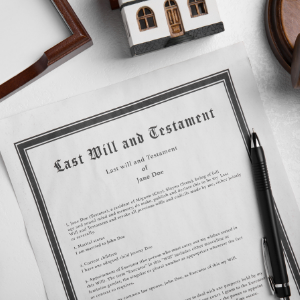
If an heir dies before the sale closes, their ownership share passes to their own heirs according to their will or, if they died without one, Florida’s intestacy laws.
This means new people are involved who might not agree with the original sale plan. You need their consent, too, before moving forward.
The sale doesn’t automatically fall apart, but it does get put on hold until the deceased heir’s estate settles and their ownership transfers to whoever inherits their share. If you’re already under contract with a buyer, you might need to renegotiate or extend the closing date while everything gets sorted out legally.
Frequently Asked Questions
Can you sell inherited property without probate in Florida?
Not usually. Most inherited property has to go through probate before you can legally sell it. If you don’t go through probate, you’ll have major problems with title companies and buyers. The only exception is if the property was held in a trust or had a transfer-on-death designation, which lets it bypass probate entirely.
What happens if one heir won’t sign the deed?
You’re stuck unless you file for partition and get the court to force the sale. One heir refusing to sign can derail the whole transaction because Florida requires unanimous consent from all owners. There’s no legal workaround that lets you override them without involving a judge.
Do all heirs have to be present at closing?
No, not all heirs need to show up at the closing table in person. You can sign documents in advance or grant someone power of attorney to sign on your behalf. This is super common when heirs live in different states or can’t make it to Clearwater for the closing date.
How is inherited property divided among heirs in Florida?
Florida follows the terms of the will if there is one. If there’s no will, the state’s intestacy laws govern distribution and divide everything according to family relationships. Spouses and children typically get priority. The property is split into equal or proportional shares depending on the number of heirs.
Can you force a sale of inherited property in Florida?
Yes, you can force a sale of inherited property in Florida through a partition lawsuit. If heirs can’t agree on selling, you can ask the court to force a sale and divide the proceeds among all owners based on their ownership percentages. The court will make it happen, even if some heirs oppose it.
What are the costs involved in selling inherited property?
You’re looking at realtor commissions (usually 5% to 6%), closing costs, title insurance, any outstanding property taxes, mortgage payoff if there’s a loan, and potential repair costs to get the property market-ready. These are all deducted from the sale proceeds before the heirs receive their shares.
Key Takeaways: Do All Heirs Have to Agree to Sell Property in Clearwater, FL
Yes, all heirs need to agree to sell inherited property in Clearwater unless you’ve got a court order, executor authority during probate, or specific will provisions that say otherwise. In Florida, there must be unanimous consent from all owners when multiple people inherit the same property. That rule applies whether you own 10% or 90% of the place.
When heirs can’t agree, there are still buyouts or partition lawsuits that force a sale through the court system. The process takes time and coordination, but it’s not impossible.
If you’re tired of all the hassle and just want a sale without all the usual headaches, give Revival Homebuyer a call at (813) 548-3674 to see how we can help. We also buy inherited properties in nearby St. Petersburg. You can also fill out the form below to get started.
Helpful Clearwater Blog Articles